

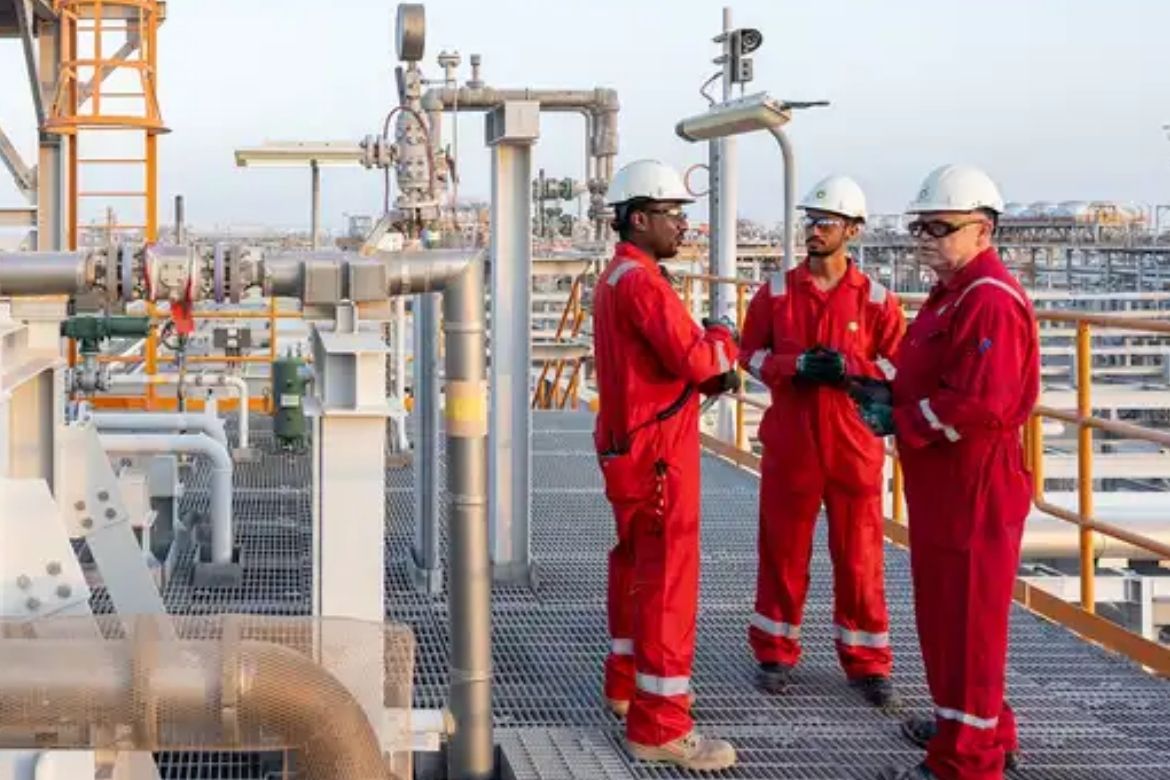
BP has commenced natural gas production from the Fayoum-4 well in Egypt’s West Nile Delta concession nearly two years ahead of schedule, delivering an estimated 80 million cubic feet of gas per day (MMcf/d) to the country’s national grid, Egypt’s Ministry of Petroleum and Mineral Resources announced on Monday.
A Significant Milestone for Egypt’s Energy Sector
The accelerated start-up represents a major achievement for BP and Egypt’s energy industry at a time when the country is working to boost domestic gas production and reduce dependence on imports. The ministry described the move as part of a broader strategy to fast-track field development and bring new production online more efficiently.
Innovative Engineering Cuts Development Time
BP was able to accelerate production by drilling a sidetrack from an existing wellbore to access newly identified Messinian-age reservoir layers at a depth of approximately 3,000 metres. The approach eliminated the need to drill a separate well and avoided the installation of additional subsea infrastructure, significantly reducing project timelines and costs.
The company connected the new production to existing West Nile Delta processing facilities through the Giza-Fayoum pipeline, allowing gas to flow into the domestic network much sooner than initially planned.
BP’s Strategic Presence in Egypt
BP operates the West Nile Delta development with an 82.75% stake, while Harbour Energy owns the remaining 17.25%. The project is one of BP’s flagship gas developments in Egypt and reflects the company’s continued commitment to investing in the country’s energy sector.
The British energy giant has long viewed Egypt as a key market within its Middle East and North Africa portfolio, supporting exploration, development and infrastructure projects aimed at unlocking additional gas resources.
Timely Boost Amid Growing Energy Challenges
The new gas volumes come as Egypt faces ongoing challenges in balancing supply and demand. Domestic natural gas production has declined in recent years following reduced output from several mature fields, including the country’s giant Zohr field. This has increased reliance on imported liquefied natural gas (LNG) and pipeline gas supplies to meet domestic consumption requirements.
Although Fayoum-4’s daily output is relatively modest compared to the country’s overall gas demand, the additional supply is expected to provide valuable support to the national energy system, particularly during periods of peak consumption.
Supporting Cairo’s Production Growth Ambitions
The announcement comes as Egypt ramps up efforts to increase exploration and production activity across its oil and gas sector. Recent government plans include expanding drilling programmes, attracting additional foreign investment and accelerating the development of discovered resources.
Energy officials believe that maximizing existing infrastructure and shortening development cycles will play a critical role in narrowing the gap between domestic production and consumption over the coming years.
The successful launch of Fayoum-4 demonstrates how innovative engineering, strategic investment and efficient use of existing infrastructure can unlock new energy supplies faster and more cost-effectively. With production now underway, the project provides a welcome boost to Egypt’s gas sector while reinforcing BP’s position as a key partner in the country’s energy future.
