

UAE Sets a New Benchmark in Medical Innovation
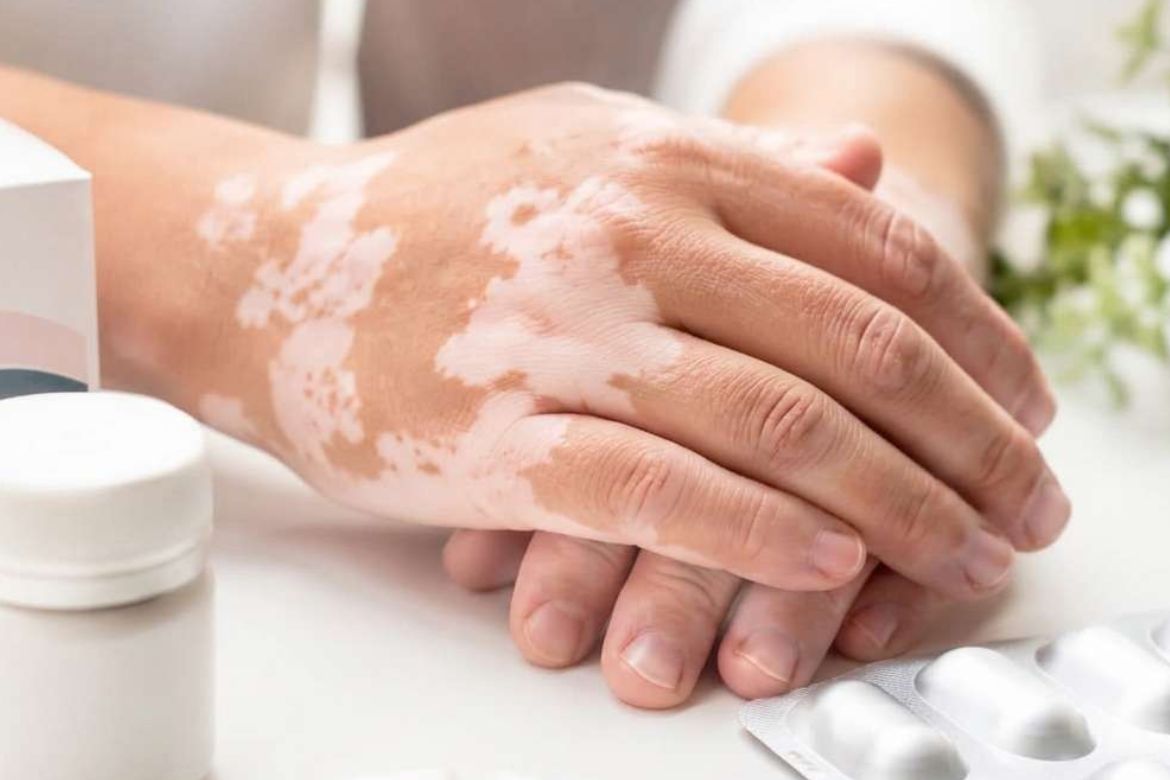
The UAE has strengthened its reputation as a global healthcare pioneer after becoming the first country in the world to approve the expanded use of Rinvoq (upadacitinib) for the treatment of non-segmental vitiligo, a chronic skin condition that causes loss of pigmentation. The approval was announced by the Emirates Drug Establishment (EDE), which described the move as a major step in accelerating access to cutting-edge therapies.
The landmark decision makes Rinvoq the first licensed oral treatment available for eligible patients aged 12 and above who require systemic therapy for non-segmental vitiligo. The medication is taken once daily, providing a new option for patients whose condition extends beyond the reach of conventional treatments.
A Condition That Impacts More Than Skin
Vitiligo affects millions of people worldwide, causing white patches to appear on the skin due to the destruction or malfunction of pigment-producing cells known as melanocytes. Although the condition is not physically dangerous, it can carry a significant emotional and psychological burden, particularly when it affects visible areas of the body.
Medical studies estimate that vitiligo affects between 0.5 and 1 per cent of the global population, with no definitive cure currently available. For many patients, treatment focuses on slowing progression, restoring pigmentation and improving quality of life.
A Major Boost for Patients
Healthcare specialists have welcomed the approval as an important advance in the management of more extensive forms of the disease.
Dr Rekha Santosh, Specialist in Dermatology and Aesthetic Medicine at Burjeel Hospital Abu Dhabi, said patients with vitiligo often undergo multiple treatment approaches with mixed success.
“Many patients come after trying topical treatments, phototherapy or combinations of therapies with varying results. Having a once-daily oral treatment creates an additional option for appropriately selected patients who require systemic therapy.”
She noted that the emotional impact of the condition can be especially challenging for young adults and adolescents, making broader treatment options particularly valuable.
Why the Approval Matters
Unlike creams and other localised therapies, oral medication can be more practical for patients with widespread vitiligo affecting larger areas of the body.
Experts believe the approval expands the treatment pathway for patients who previously had limited options once topical therapies and phototherapy proved insufficient. The availability of a systemic oral treatment could simplify long-term management while improving accessibility for suitable candidates.
The EDE said the approval reflects the UAE’s commitment to keeping pace with scientific advances and ensuring that innovative medicines reach patients faster.
Strengthening the UAE’s Healthcare Leadership
Rinvoq is already approved internationally for several autoimmune and inflammatory conditions, including rheumatoid arthritis and other immune-related diseases. However, the UAE’s latest decision marks the first approval anywhere in the world for its expanded use in treating non-segmental vitiligo.
The announcement further highlights the country’s growing influence in pharmaceutical regulation and healthcare innovation, as authorities continue to fast-track promising medical advances that can improve patient outcomes.
Hope for a New Generation of Patients
For thousands living with vitiligo, the approval represents more than a regulatory milestone. It signals progress in a field where treatment advances have traditionally been limited and where patients often face both medical and social challenges.
As global research into autoimmune skin disorders accelerates, the UAE’s move could serve as a model for other countries evaluating next-generation therapies. For many patients, it brings renewed optimism that more effective and convenient care is finally within reach.
