

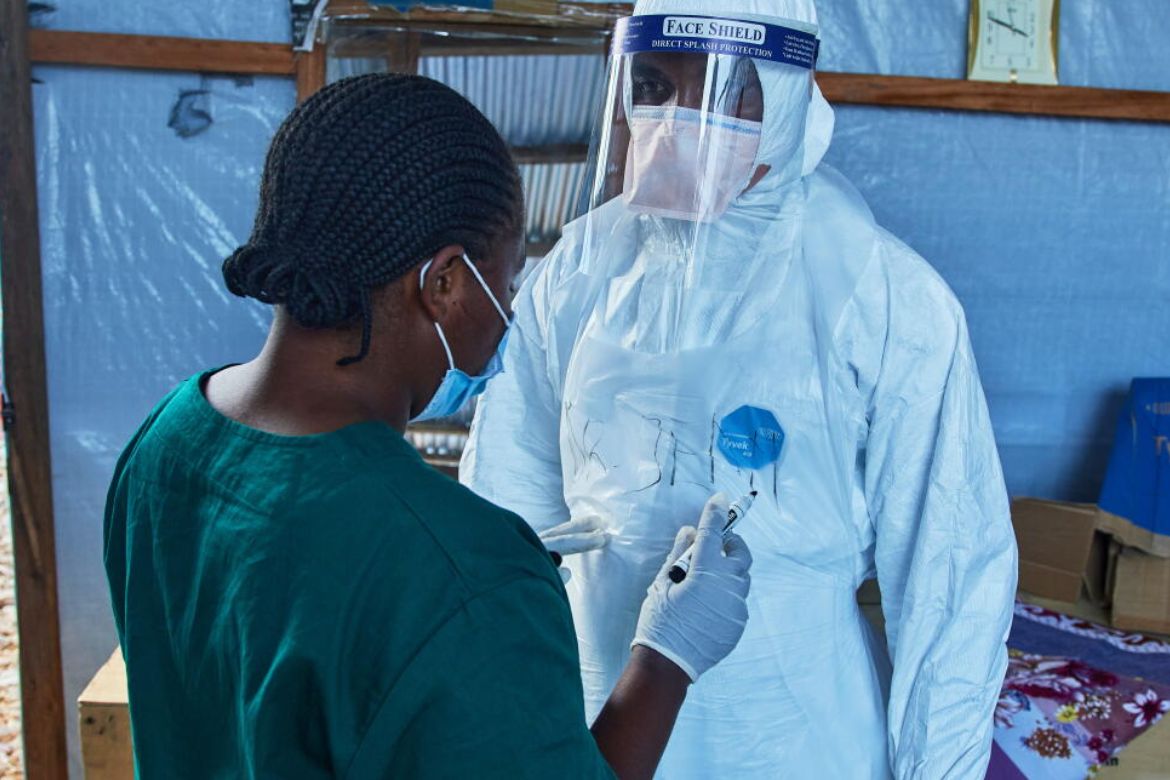
The Democratic Republic of the Congo (DRC) is facing its deadliest Ebola outbreak on record, with the number of fatalities climbing to 3,007 and confirmed infections reaching 6,186, as global health authorities race to launch vaccine trials aimed at containing the rapidly spreading disease.
The outbreak, caused by the Bundibugyo strain of Ebola, has expanded beyond its initial epicentre in Ituri province and spread across multiple regions, raising concerns about wider cross-border transmission in Central Africa. The World Health Organization (WHO) is now preparing efficacy trials for several experimental vaccines, with testing expected to begin as early as October or November in the DRC.
“Until every chain is found and broken, the epidemic will continue and will continue to pose a threat to DRC, its neighbours and the region as a whole,” WHO Director-General Dr Tedros Adhanom Ghebreyesus warned.
Global Vaccine Push Intensifies
The WHO, together with international research partners, is advancing trials for multiple vaccine candidates, including those developed by Moderna and the University of Oxford, specifically targeting the Bundibugyo strain. Safety studies are already under way, while larger efficacy trials are expected to commence in outbreak-affected communities in the coming weeks.
Scientists are also examining whether Ervebo, a vaccine currently approved against the Zaire strain of Ebola, could provide cross-protection against Bundibugyo infections. Preliminary findings have shown promise, although large-scale human trials are needed before conclusions can be drawn.
The urgency comes as the outbreak becomes the most severe Ebola crisis since the devastating West Africa epidemic between 2014 and 2016, which infected more than 28,000 people and claimed over 11,000 lives.
Travel Concerns Trigger Precautionary Measures
The international implications of the outbreak became evident this summer when travellers arriving in Israel from the DRC were hospitalised with suspected Ebola symptoms. Although tests later proved negative, the incident highlighted the risks associated with global travel from outbreak zones.
In response, the UAE has imposed precautionary travel restrictions to and from African countries reporting Ebola infections, underscoring the seriousness with which governments are treating the threat.
Mpox Remains a Growing Challenge
While Ebola dominates headlines, health officials are simultaneously tackling the continued spread of mpox, which has affected approximately 145 countries and territories, resulting in 190,683 confirmed cases and 529 deaths worldwide. Two-thirds of reported infections have occurred in Africa, with the Clade Ib strain contributing to rising case numbers in the DRC and parts of Europe.
Although significantly less deadly than Ebola, mpox remains a major public health concern, particularly among children and vulnerable communities. Unlike Ebola, which spreads through contact with blood and bodily fluids, mpox is primarily transmitted through close skin-to-skin contact.
Global Mpox Vaccine Stockpile Launched
In a major step toward strengthening outbreak preparedness, global health partners have launched a new international mpox vaccine stockpile designed to ensure equitable access to vaccines during future emergencies. The initiative is funded by Gavi, the Vaccine Alliance, and coordinated through the International Coordinating Group on Vaccine Provision.
“During the 2022 mpox outbreak, lower-income countries were left behind when it came to access to vaccines,” said Dr Sania Nishtar, Chief Executive Officer of Gavi. “Our hope is that this stockpile will keep the world safer from the threat of this deadly disease.”
UAE Support for Africa’s Health Response
The UAE has emerged as an important partner in Africa’s disease-control efforts. In 2024, the Emirates helped fund and deliver vaccines and medical assistance to countries including the DRC, Nigeria, South Africa, Ivory Coast and Cameroon, supporting local authorities as they battled Ebola and mpox outbreaks.
UNICEF Executive Director Catherine Russell stressed that protecting children remains a priority during health crises.
“Support is particularly important for childhood vaccination programmes. Mpox can be devastating for children, not just because of its physical effects, but also the stigma, interrupted learning and fear that can come with isolation,” she said.
As vaccine trials prepare to begin and international support continues to grow, health experts believe the coming months could prove decisive in containing both Ebola and mpox, safeguarding millions across Africa and beyond.
