

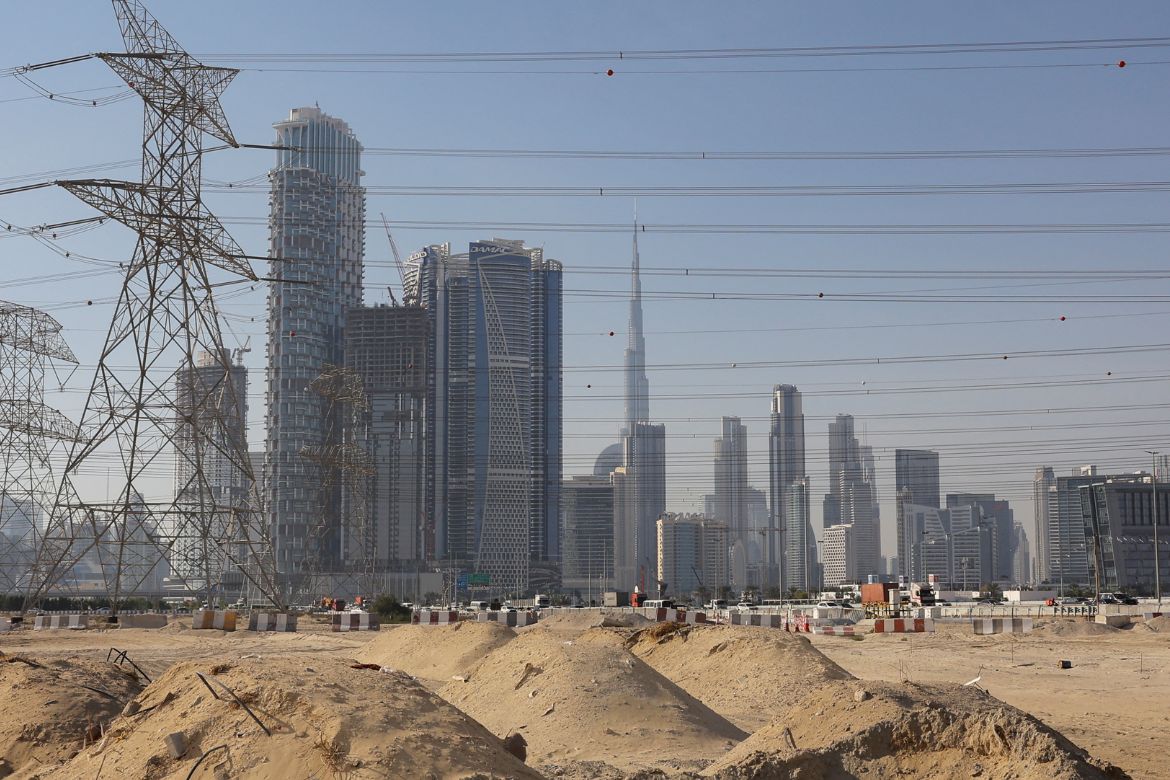
The emirate’s booming property market continues to attract global attention, with strong transaction volumes and sustained investor interest. But industry observers are increasingly asking whether the surge is being driven as much by perception as by underlying fundamentals.
Dubai has long positioned itself as more than just a real estate market. For many investors, buying property in the city is about securing access to a broader ecosystem—one defined by safety, connectivity, lifestyle and ease of doing business. This has turned Dubai into a global brand, where sentiment plays a significant role in shaping market direction.
Perception as a Market Driver
Unlike purely domestic property markets, Dubai relies heavily on international buyers. Many investors are drawn not just by returns, but by what the city represents—stability, luxury living and opportunity.
This dynamic has made perception a powerful force. Positive sentiment often translates into increased demand, particularly in high-end and off-plan segments. After the pandemic, Dubai’s swift reopening and strong economic messaging attracted global wealth, reinforcing its image as a safe-haven destination.
However, analysts note that when confidence shifts, demand can soften quickly.
Recent Signals of Caution
Recent geopolitical tensions in the region, including concerns linked to the Iran conflict, have tested investor sentiment. While the property market itself has remained relatively stable, indirect indicators suggest a broader impact:
- Declining footfall in major retail destinations
- Pressure on luxury spending
- Temporary slowdown in tourism activity
These factors highlight how perception can influence not just real estate, but the wider economic environment that supports it.
Industry voices stress that this does not indicate structural weakness. Instead, it reflects how sensitive Dubai’s market can be to global narratives and external developments.
Shift in Buyer Behaviour
Uncertainty has also led to a noticeable change in investor preferences. Many buyers are now favouring ready properties over off-plan investments.
Ready homes offer immediate utility—whether for rental or occupancy—and reduce exposure to delays or future market fluctuations. In contrast, off-plan properties, while still attractive due to flexible payment plans and incentives, require a greater degree of confidence in future market conditions.
As one market perspective suggests, buyers today are less willing to rely on optimism alone. Delivery track record, pricing discipline and tangible value are becoming more important decision factors.
Fundamentals Still Strong
Despite the increased focus on perception, Dubai’s property market continues to rest on solid fundamentals:
- Steady population growth driven by expatriate inflows
- Economic diversification across tourism, finance and technology
- Investor-friendly policies, including long-term residency visas
- Improved regulatory transparency
These factors provide a level of resilience that helps the market absorb short-term sentiment shifts.
From The Gulf Talk viewpoint, Dubai’s property boom is best understood as a blend of perception and reality.
Perception plays a crucial role in attracting global capital and sustaining momentum, but it is supported by genuine economic strength. The current phase suggests a more mature market—one where investors are increasingly selective and cautious.
Looking ahead, the key question is not whether perception matters—but how durable it is.
Short-term disruptions are unlikely to derail Dubai’s long-term trajectory. However, prolonged uncertainty could reshape investor behaviour if confidence weakens over time.
For now, Dubai’s property market continues to benefit from a strong global narrative. But as experts note, maintaining that narrative will be just as important as delivering on fundamentals.
