

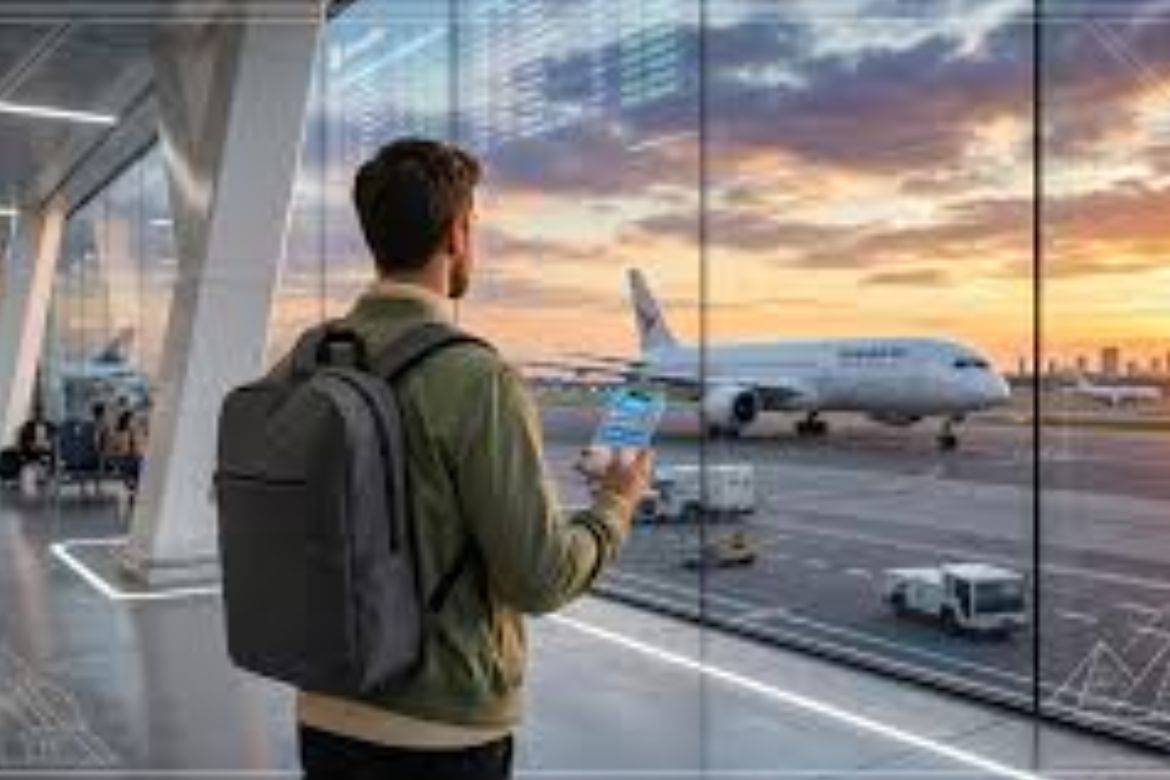
As global travel costs continue to rise in 2026, experts are urging travellers to rethink their approach—shifting from impulsive bookings to strategic planning.
With fuel prices climbing amid geopolitical tensions, including conflict with Iran, airfares have followed an upward trend. At the same time, a cost-of-living squeeze has pushed up prices across the board—from hotels and tourist experiences to everyday items like airport meals.
For many UAE residents, this has turned travel into an increasingly expensive luxury. However, industry experts insist that with the right strategies, meaningful travel is still within reach.
Set Your Budget First—Not Last
Financial experts say the biggest mistake travellers make is booking first and budgeting later.
“Research consistently shows that people spend more when they commit to a purchase first and calculate afterwards,” says personal finance coach Carol Glynn.
Instead, travellers should map out a full trip budget covering:
- Flights
- Accommodation
- Transfers
- Food and activities
- Insurance
- Shopping
Experts recommend adding a 10–15% buffer to handle unexpected costs without falling into debt.
Create a Travel Fund to Avoid Hidden Costs
In a high-interest environment, relying on credit cards can significantly inflate travel expenses.
“The most effective way to reduce the cost of travel is to remove interest from the equation,” Glynn explains.
Experts advise opening a dedicated travel savings account and contributing monthly. This not only builds discipline but prevents travellers from paying hefty interest rates—often exceeding 35% annually—which can add up to 30% to the total trip cost over time.
Book Smart, Not Just Cheap
Travel agents are warning against chasing the lowest fare without considering the full journey.
“Don’t just grab the cheapest ticket,” says Dubai-based travel consultant Ipshita Sharma. “Check layovers, baggage rules, and route reliability—especially with ongoing disruptions.”
Experts recommend:
- Flying midweek for better fares
- Exploring one-way or open-jaw ticket combinations
- Comparing total costs, not just base fares
Flexibility remains one of the most powerful tools for saving money in 2026, with small changes in travel dates often reducing fares significantly. [arabianbusiness.com]
Avoid Panic Booking Despite Travel Disruptions
With frequent news of delays and route changes, many travellers are rushing to secure bookings. But experts warn this can backfire.
“Prices fluctuate quickly—sometimes waiting and monitoring trends saves more than booking in panic,” Sharma notes.
However, paying slightly more for flexible tickets is increasingly seen as a smart move, as cancellations and rerouting have become more common globally.
Handle Visas and Insurance Early
Administrative delays can be costly.
Experts recommend sorting visas well in advance to avoid last-minute surcharges or unexpected transit requirements. Travel insurance should also be reviewed carefully, ensuring it covers:
- Medical emergencies
- Trip interruptions
- Political unrest
Travellers are also encouraged to check if their credit cards include complimentary travel insurance, potentially saving additional expenses.
Use Credit Cards Strategically
Travel rewards programmes can offer genuine value—if used responsibly.
Experts suggest choosing cards with:
- Air miles or cashback
- No foreign transaction fees
- Airport lounge access
However, carrying a balance can quickly negate these benefits.
“Interest wipes out rewards,” Glynn warns, advising travellers to pay off balances in full and even reduce credit limits before travel to control spending.
Consider Alternative Accommodation Options
Hotels are no longer the default choice for budget-conscious travellers.
“With the rise of Airbnb and private rentals, travellers can get more space and better value,” says travel content creator Yvonne Mtengwa.
Experts also suggest:
- Staying outside city centres
- Asking hotels for unadvertised weekly discounts
- Trying unique alternatives like camping
Cut Costs on the Ground
Smart spending doesn’t stop after booking.
Industry experts recommend:
- Buying snacks and essentials from supermarkets
- Avoiding restaurants in tourist hotspots
- Shopping away from major attractions
These small adjustments can significantly reduce daily expenses.
Spend for Meaning, Not Social Media
Behavioural finance research shows that comparison often leads to overspending.
Instead of chasing Instagram-worthy experiences, experts advise focusing on what genuinely matters.
“Spending aligned with personal values leads to higher satisfaction and lower costs,” Glynn says.
Beware the ‘Holiday Upgrade Effect’
Small upgrades can quietly inflate travel budgets.
From better hotel rooms to premium seating, these incremental choices often add up significantly—a phenomenon experts call “present bias.”
Planning ahead and prioritising key experiences can help travellers avoid unnecessary spending.
The Bottom Line
Despite rising costs, travel in 2026 doesn’t have to be out of reach.
Experts agree that the biggest savings don’t come from cutting trips short—but from making smarter decisions before and during travel.
With careful planning, flexibility, and financial discipline, UAE travellers can still explore the world without breaking their budgets.
