

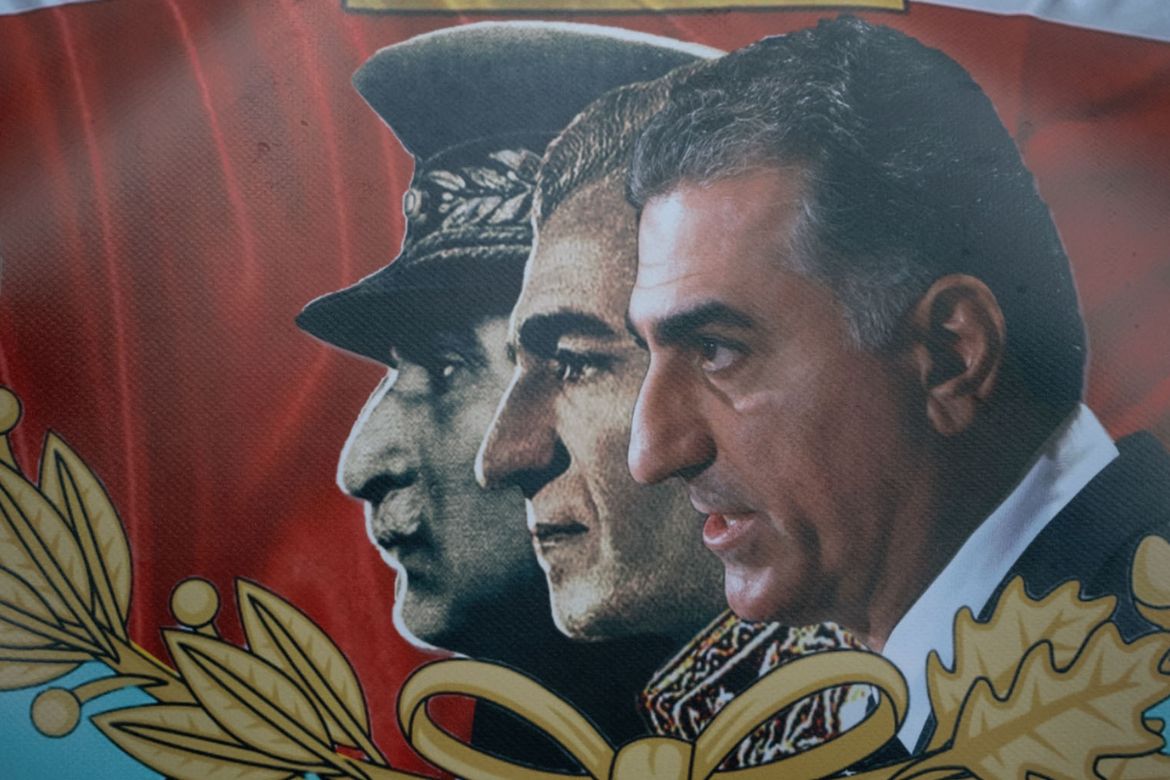
On July 27, Iranian exiles and recently released political prisoners gathered at Cairo’s Al Rifa’i Mosque to mark the 45th death anniversary of Mohammad Reza Pahlavi, Iran’s last Shah. Once a towering symbol of Persian monarchy, the Shah died in exile, a stark reminder of how absolute power — even one backed by oil wealth and Western ties — can unravel with stunning speed.
This year’s commemoration came just weeks after U.S. airstrikes targeted Iranian military installations in what former President Donald Trump termed the “12-day war” — a chilling reminder of Iran’s shifting global position. For observers across the Gulf, the timing is more than symbolic. It revives a key regional question: has the Islamic Republic, born from revolution, become vulnerable to the very pitfalls that toppled the monarchy it replaced?
Then and Now: When Regimes Stop Listening
The 1979 Iranian Revolution was rooted in widespread disillusionment. The Shah, once the “Shahanshah” or King of Kings, governed from a gilded throne increasingly divorced from the realities of his people. His embrace of Westernization alienated religious and rural communities. His authoritarianism crushed dissent. By the time mass protests erupted, the monarchy had lost its most valuable asset — legitimacy.
Fast forward to 2025, and a similar disconnect is palpable within the Islamic Republic. Decades after deposing the Shah in the name of justice and religious integrity, Iran’s clerical establishment faces widespread protests, youth-led movements, and global condemnation for its human rights record. The Mahsa Amini protests in 2022–2023 revealed a generational chasm — one the regime is struggling to contain.
Repression Is Not Resilience
Just as the Shah relied on SAVAK, his secret police, to stifle unrest — only to radicalize his opposition — the current regime uses the IRGC and Basij to maintain control. But as author Scott Anderson notes in his seminal book King of Kings: The Unmaking of the Modern Middle East, repression breeds resistance, not submission.
Speaking to The National, Anderson reflected on recent events: “The regime can now paint all opposition as American-backed,” he said, referencing the U.S. bombing campaign. “That buys them time, but it pushes real reform further away.”
For Gulf states watching Iran’s domestic volatility, the message is clear: external threats may strengthen regimes temporarily — but they do not resolve internal crises.
Nationalism and Narrative Control
Anderson points to a resurgence of nationalism within Iran, ironically bolstering the regime. But beneath the surface, the fractures run deep. In contrast to the Shah’s era — where leadership misread the religious threat — today’s rulers remain highly focused on perceived external enemies, notably Israel and the U.S.
However, internal threats remain underestimated. The majority of Iranians were born after the revolution. They are more globally connected, digitally literate, and less ideologically rigid than their forebears. If the Islamic Republic ignores this evolving demographic, it may find itself walking the same tightrope the Shah once did — without a net.
A Mirror Held to the Past
Anderson’s research underscores the irony that many features of the Islamic Republic today mirror those of the monarchy it replaced: political isolation, economic mismanagement, elite privilege, and reliance on force over consensus.
In 1979, as revolution loomed, the Shah was gravely ill, indecisive, and isolated by a reluctant U.S. ally. Today’s leadership under Ayatollah Khamenei faces economic sanctions, regional proxy tensions, and rising dissent — but with far more sophisticated surveillance tools and ideological control.
The difference? The Shah misjudged the ayatollahs as “medieval clerics.” Today, Iran’s rulers see opposition not as naïve, but dangerous — and potentially explosive.
Exile and the Idea of Return
Meanwhile, Reza Pahlavi — the exiled son of the late Shah — remains a vocal critic of the regime, advocating for a democratic and secular Iran. He’s courted foreign leaders, including former UK Prime Minister Boris Johnson, and called on Iranians to resist. But as Anderson soberly notes: “A return to monarchy is fantasy. Eighty percent of Iranians have no memory of it.”
Still, his growing platform among the diaspora reflects deep dissatisfaction with the current regime. And for Gulf watchers, his relevance lies not in political viability, but in the symbolic endurance of opposition — something no regime can fully erase.
Gulf Perspectives: Lessons Beyond Iran
For the Gulf states, Iran’s past and present offer critical strategic insights:
- Legitimacy matters more than longevity. Regimes that stop evolving with their people risk irrelevance.
- Ideology must adapt to governance, or it becomes a liability.
- Youth are not a threat — unless they are ignored.
- External enemies can unite a nation — but only for a while.
Conclusion: The Cycle of Power
As the Islamic Republic nears its fifth decade, it must confront a sobering reality: its origin story — the fall of a tone-deaf monarchy — is fast becoming a warning for its own future. If Tehran continues to dismiss dissent, resist reform, and weaponize fear, the same forces that buried the Shah may once again rise — not in his name, but against his successors.
For Gulf nations navigating their own paths between tradition, governance, and reform, Iran’s story remains a cautionary tale — one that is still being written.
