

The United Kingdom is expanding its presence in the global space sector with a major surveillance initiative aimed at improving the monitoring of satellites, orbital debris, and potential threats from space.
Through its £40 million ($54.5 million) Project Nova programme, Britain is developing a worldwide network of advanced telescopes across its overseas territories, creating a powerful new system for tracking activity in Earth’s orbit.
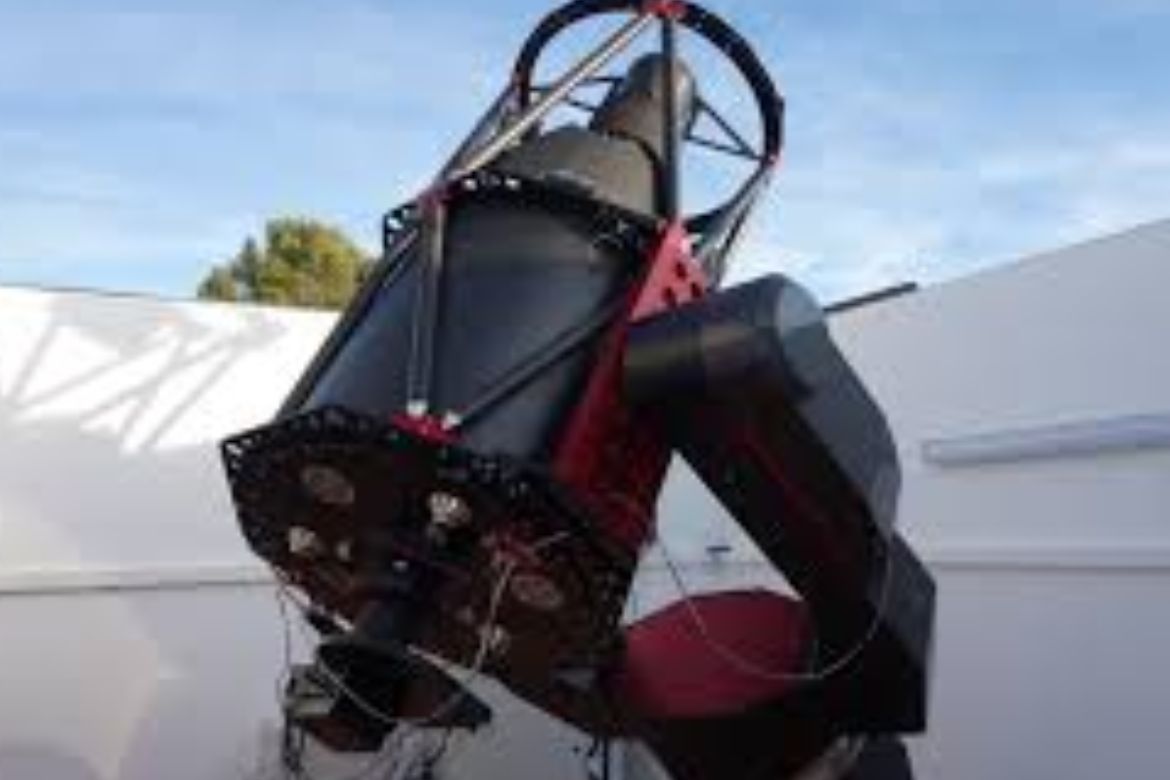
The first stage of the project is being established in Bermuda, where three high-powered optical telescopes are being installed roughly 1,100 kilometres off the US coast. The observatories will be capable of identifying asteroids, rogue satellites, and dangerous debris moving through low Earth orbit.
Britain plans to extend the network further into territories located across the South Atlantic, Indian Ocean, and Pacific regions, giving the country near 24-hour visibility of space activity.
According to UK Space Agency officials, the geographical positioning of these territories offers a strategic advantage by allowing multiple observation points across different parts of the globe.
The telescopes are powerful enough to detect objects smaller than a Rubik’s Cube, a critical capability as the number of satellites orbiting Earth continues to rise rapidly.
Rising Pressure on Earth’s Orbit
The rapid expansion of commercial satellite launches and military space programmes is increasing concerns about congestion in orbit and the growing threat posed by space debris.
Industry experts estimate that the number of active satellites could surpass 100,000 by 2030, significantly increasing the risk of collisions in space.
Scientists have long warned about the possibility of the “Kessler Syndrome” — a chain reaction where collisions between satellites create massive amounts of debris, potentially damaging communications systems, navigation networks, and other critical infrastructure worldwide.
Project Nova is designed to help Britain improve its ability to monitor these threats, issue alerts for falling debris, and strengthen planetary protection systems against asteroids and comets.
Strategic and Security Importance
The telescope network is also expected to play an important role in national security as space becomes an increasingly contested operational domain.
The system will support the tracking of foreign satellites and unusual orbital activity while providing intelligence support for defence operations.
Officials say the initiative will also reduce Britain’s reliance on external surveillance systems by creating a more independent space-monitoring capability.
The project aligns with broader international efforts focused on sustainable and responsible use of space. During a recent visit to the Bermuda observatory site, King Charles III highlighted the importance of protecting the orbital environment through his Astra Carta sustainability initiative.
Project Nova is being developed by Slingshot Aerospace in partnership with Baader Planetarium, which will provide autonomous observatory systems for the telescope network.
As countries across the Gulf region continue investing heavily in satellite programmes, lunar missions, and advanced space technologies, Britain’s latest initiative reflects the growing global importance of space surveillance, orbital sustainability, and strategic space security.
