

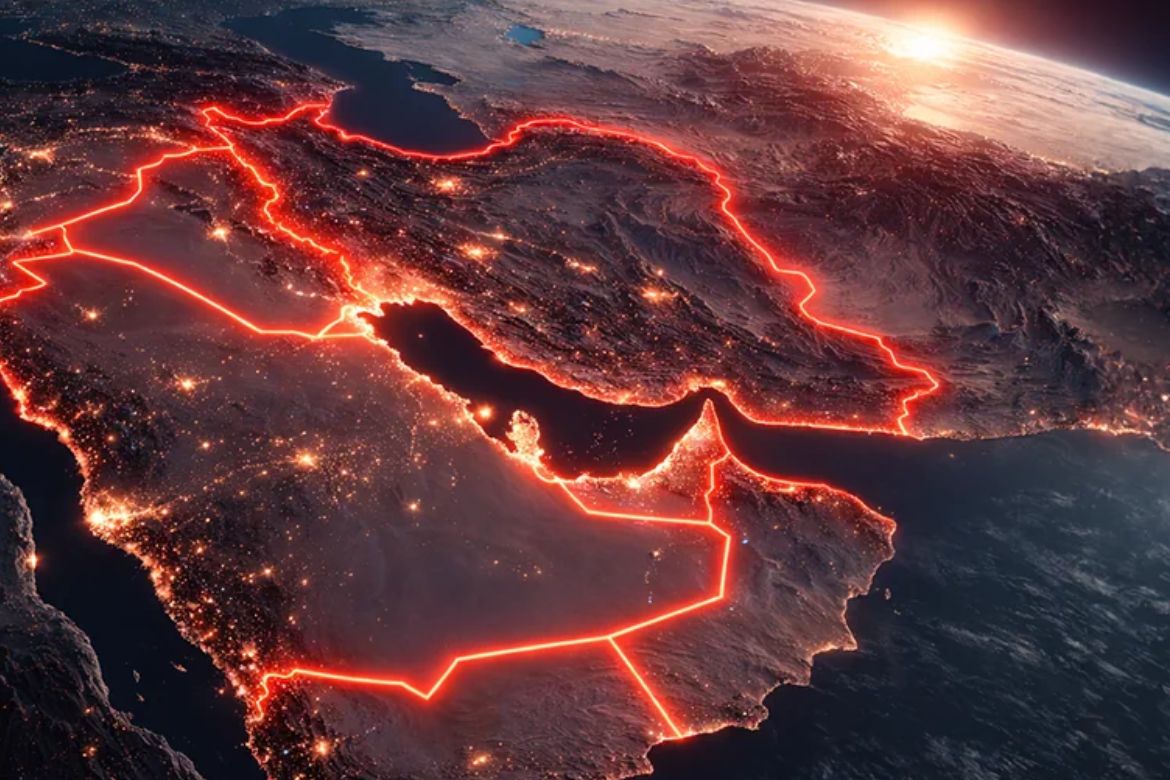
Cyber attacks linked to Iran are no longer limited to brief website disruptions or symbolic acts of digital defiance. They have evolved into sustained, multi-layered operations targeting critical infrastructure, financial systems, and national digital networks. This is no longer background cyber noise. It is strategic cyber warfare.
When Disruption Was the Goal
At the beginning of the conflict, the pattern was straightforward. Iran-aligned hacktivist groups focused on highly visible targets such as government portals, media platforms, and public websites. Using Distributed Denial-of-Service (DDoS) attacks, they temporarily overwhelmed systems, claimed responsibility online, and amplified their actions through digital channels.
The goal was visibility and impact—not long-term damage. That phase has now passed.
A Shift Toward Complex Threats
What has replaced those early attacks is far more sophisticated—and far more dangerous. Cyber activity across the Gulf has increased significantly, but the real shift lies in how these attacks are carried out. The focus has moved toward:
- Silent system intrusions
- Data breaches and targeted leaks
- Ransomware attacks on critical operations
- Wiper malware designed to destroy systems
- Financial cybercrime linked to geopolitical tensions
This marks the rise of a hybrid threat environment, where disruption, espionage, and financial exploitation are combined.
The Role of AI and Automation
Technology is accelerating this transformation. Cyber attackers are increasingly using artificial intelligence and automation to:
- Identify vulnerabilities quickly
- Launch coordinated attacks at scale
- Adjust tactics in real time
- Bypass traditional security systems
As a result, attacks are becoming faster, more precise, and harder to detect.
A Borderless Conflict
The cyber escalation is closely tied to rising geopolitical tensions in the region. What began as a physical conflict has expanded into the digital domain, affecting systems across the UAE, Saudi Arabia, Qatar, and beyond.
Critical infrastructure, cloud services, and essential digital platforms are now part of the battlefield. In this environment, geographical boundaries offer little protection.
From Clear Attribution to Uncertainty
In the early stages, cyber attackers openly claimed responsibility for their actions, often coordinating through public platforms. Today, the situation is far less clear.
The threat landscape has become fragmented, involving:
- Ideological hacktivist groups
- Organised cybercriminal networks
- Anonymous actors taking advantage of the situation
This mix makes it increasingly difficult to determine who is responsible for specific attacks.
Critical Sectors Under Threat
Cyber operations are no longer focused on symbolic targets. Instead, they are increasingly directed at sectors that are essential to national stability, including:
- Financial systems and banking networks
- Aviation and transportation infrastructure
- Energy and utility services
- Government and security platforms
These targets represent the core of economic and national security.
From Disruption to Long-Term Impact
The nature of cyber attacks is changing significantly. DDoS attacks, once the most common form of disruption, are now less dominant. In their place, more serious threats are emerging:
- Persistent access to systems
- Credential theft and identity breaches
- Data theft and cyber extortion
- Long-term infiltration of critical infrastructure
These attacks are less visible but far more damaging.
The Gulf Strengthens Its Defences
Despite the growing threat, Gulf countries are becoming more resilient. Cybersecurity has evolved into a key component of national defence strategies. Governments across the region are investing in:
- AI-driven threat detection
- Zero-trust security frameworks
- Advanced monitoring systems
- National cyber resilience programs
The UAE, in particular, has positioned itself as a leader in cybersecurity readiness.
A Turning Point in Modern Warfare
What is happening in the Gulf is more than a rise in cyber attacks—it represents a fundamental shift in how conflicts are fought. Digital threats are now persistent, adaptive, and deeply connected to geopolitical tensions.
This is the new frontline—one that cannot be seen, but cannot be ignored. In this evolving landscape, strength will not be defined by military power alone, but by the ability to defend, adapt, and respond in an increasingly complex digital world.
