

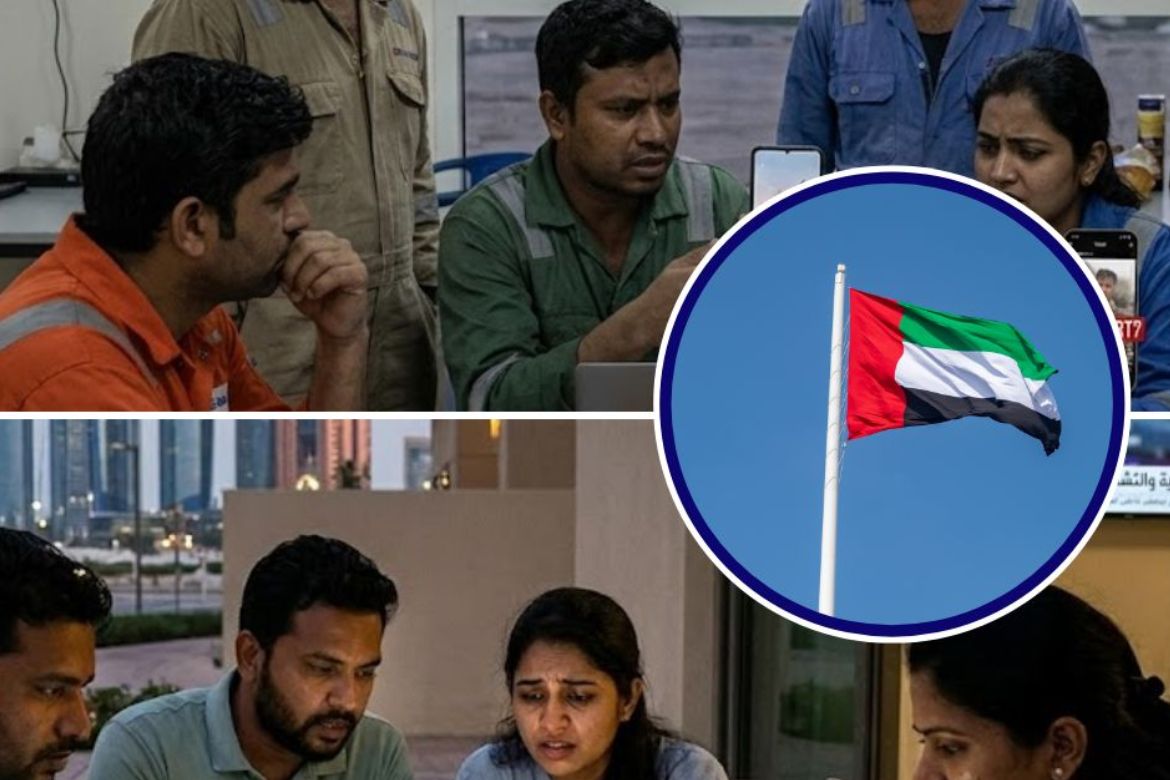
The United Arab Emirates has intensified its action against misleading war-related social media content, as authorities respond to a complex security environment shaped by both physical threats and digital disruption.
The measures come as the country faces continued missile and drone risks, alongside a surge in online content ranging from real-time footage to manipulated and AI-generated videos.
From Warning to Action
Officials had initially issued clear guidance, urging the public not to share rumours, unverified information, or posts that contradict official statements. These warnings were designed to prevent panic and protect public safety.
Authorities say enforcement followed only after repeated non-compliance, emphasising that the focus is on harmful dissemination of content rather than limiting free expression.
When Content Becomes a Security Risk
Security analysts warn that in active conflict situations, even authentic content can carry serious risks.
Short clips showing missile interceptions, debris, or emergency responses may unintentionally reveal defence strategies, response times, or sensitive locations. At the same time, fabricated content can mislead the public and amplify hostile narratives.
Officials confirmed that both real and fake materials have circulated online, each posing distinct threats.
A War Fought on Screens
The UAE is navigating an increasingly blurred information space where genuine, altered, and false content coexist.
AI-generated visuals, recycled footage falsely linked to local events, and emotionally driven posts have contributed to confusion and heightened public concern. In many instances, misinformation spreads faster than official clarification.
Experts say this reflects the evolving nature of conflict, where social media platforms play a central role in shaping perception and narrative.
Law in Force, Not New Policy
Authorities stress that the crackdown is rooted in existing legal frameworks. UAE laws already prohibit the spread of false information during crises, especially content that incites fear or disrupts public order.
The current enforcement, officials say, is the application of these laws under heightened wartime conditions.
Containing Fear and Uncertainty
Beyond physical risks, authorities are addressing the psychological impact of misinformation.
Misleading posts can exaggerate the scale of events, creating unnecessary panic. A single viral video suggesting widespread damage can erode public confidence, even if the reality is far less severe.
Limiting such content is seen as key to maintaining calm and stability.
Public Responsibility in a Crisis
Officials underline that during conflict, the impact of sharing content outweighs intent. Even unverified posts shared without malicious intent can contribute to confusion or expose sensitive information.
Residents are urged to rely on official updates and avoid circulating unverified material, as digital behaviour becomes part of the broader national response.
A Familiar Global Approach
The UAE’s measures align with practices seen in other conflict zones, where restrictions on sharing sensitive information are common.
Within the country, long-standing bans on photographing critical infrastructure highlight that such controls are not new, but part of established security measures.
Protecting Confidence and Continuity
As a global economic hub, the UAE is particularly vulnerable to misinformation-driven disruptions. Viral content can affect markets, business operations, and public behaviour.
Authorities note that managing the information space is essential not only for security, but also for ensuring economic stability and a swift return to normalcy.
A Calculated Security Move
While some external observers have questioned the strictness of the measures, officials maintain that they are necessary given the current threat landscape.
In a conflict where missiles and media move at equal speed, controlling the flow of information has become a critical component of national defence.
