

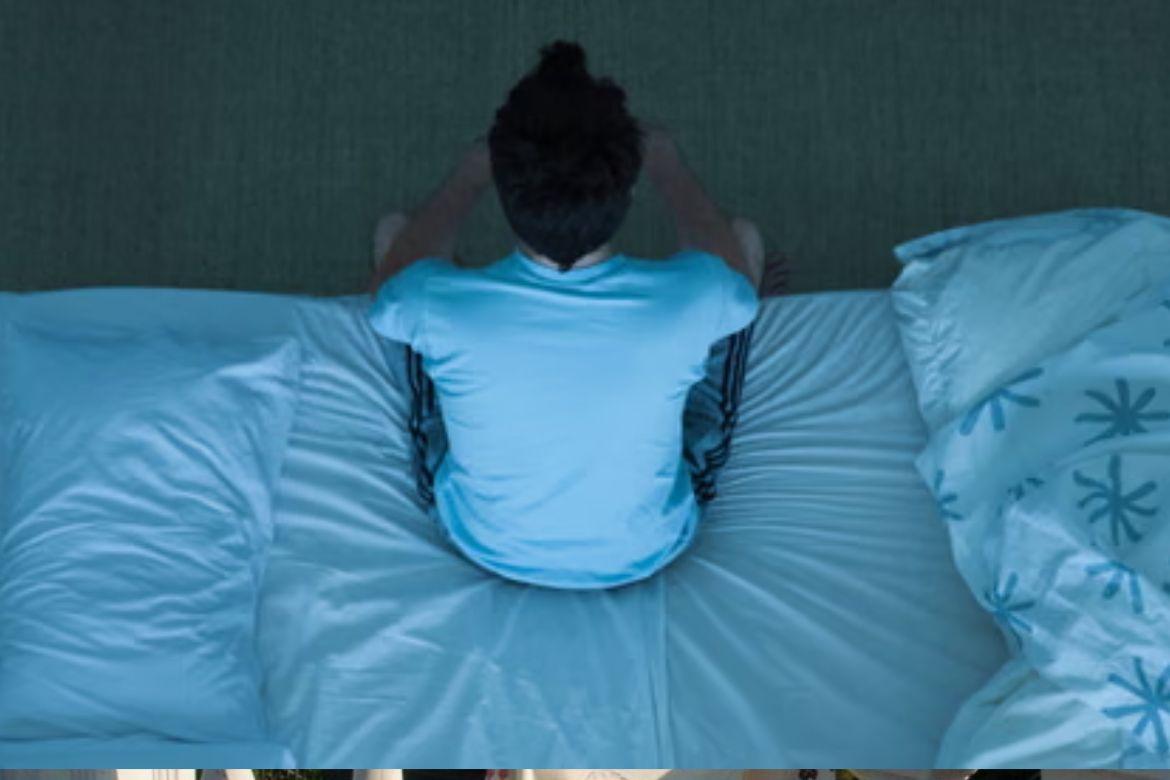
As the mercury soars across the UAE, restful sleep is becoming increasingly difficult to come by. Hot, humid nights are disrupting the body’s natural cooling process, making it harder for residents to fall asleep, stay asleep, and reach the deep, restorative stages of rest.
Instead of peaceful slumber, many find themselves tossing, turning, and waking up groggy — a reality that underscores how rising nighttime heat is eroding sleep quality across the region.
Why Sleep Matters
“Sleep and wakefulness are the two basic physiological processes of life,” Dr Stefna Sha, neurology specialist at Aster Clinic, Bur Dubai, told The National. “Despite its biological importance, modern society is chronically sleep deprived.”
She describes sleep as “the greatest biological mystery of all time,” pointing to its essential role in regulating immunity, hormones, metabolism, brain function, thermoregulation, and memory. Poor-quality rest, she warns, can increase the risk of diabetes, hypertension, obesity, and dementia.
According to the Mayo Clinic, adults require at least seven hours of rest each night, while teenagers need eight to ten. Yet, a 2024 study on sleep deprivation in the UAE revealed that over 40% of adults either fail to meet these recommendations or report poor-quality rest, even when sleeping for sufficient hours.
When Heat Makes It Worse
Summer nights in the UAE bring high heat and humidity, both of which interfere with the body’s ability to cool down.
“Temperature plays a crucial role in sleep quality,” Dr Sha explained. “For every 10ºC rise in temperature, sleep duration decreases by nearly 10 minutes. High humidity further complicates cooling, degrading sleep quality.”
This struggle is reflected in data from US-based sleep technology company Eight Sleep, which monitors user behaviour across more than 30 global markets. UAE residents, the company reports, are among the top 10 globally who consistently set their devices to the coldest settings.
“Given the region’s extreme climate, this isn’t surprising,” said Matteo Franceschetti, Eight Sleep’s co-founder and CEO. “While AC is widespread, it doesn’t always provide the body-level cooling required for deep, uninterrupted sleep.”
The company’s data also highlights the top disruptors for UAE residents: temperature (36%), stress (48%), and irregular schedules (32%). Globally, the UAE ranks in the bottom 25% for total sleep duration and quality.
The Hidden Costs of Lost Sleep
Experts warn that chronic sleep loss does more than leave residents tired.
“Insufficient sleep can silently wreak havoc on the body and mind,” Dr Sha cautioned. Daytime fatigue, impaired memory, poor focus, and reduced motivation are common consequences. Migraine, which worsens in hot weather, further complicates rest.
Dr Ash Shishodia, neuropsychiatrist at Thrive Wellbeing Centre, added that heat-related sleep loss can also affect mental health. “Disrupted sleep leads to heightened anxiety, irritability, and depressive symptoms. Overheating activates the sympathetic nervous system, which the brain interprets as stress or danger.”
International research supports these observations. A 2019 study in Sleep Health linked hot nighttime temperatures to lower mood and more mental health complaints, while a 2022 PLOS Medicine study found hotter nights were associated with increased self-reported mental distress, especially among young and lower-income groups.
How to Sleep Better in the Heat
While high-end cooling technology can help, doctors note that simple, accessible lifestyle adjustments remain effective.
Dr Sha’s recommendations include:
- Stick to a sleep schedule: Going to bed and waking up at the same time daily supports the body’s rhythm.
- Cool your room wisely: Keep temperatures between 18–21°C. Use AC or fans, but avoid direct airflow.
- Choose breathable bedding: Opt for light cotton or linen.
- Take a warm shower before bed to trigger heat release.
- Avoid stimulants and screens in the evening.
- Stay hydrated during the day, but reduce water intake right before sleep.
- Engage in light afternoon exercise to improve rest quality.
Franceschetti also stressed the importance of mattress-level cooling: “Most people think cooling the room is enough, but the real difference lies in managing heat where the body meets the bed.”
Cooling the Mind, Too
Experts say sleep struggles in the heat aren’t just physical.
“One of the most effective tools is psychological acceptance,” said Christi Gadd, psychologist at Thrive Wellbeing Centre. “When we resist reality — wishing it were cooler or resenting the heat — we only add mental suffering to physical discomfort.”
She recommends mindfulness body scans, cooling visualisation, and slow nasal breathing to ease frustration. Reframing thoughts from “I’ll be useless tomorrow” to “It’s just one rough night” can also reduce sleep anxiety.
The Gulf Talk News Take
With summer temperatures climbing higher each year, sleep disruption is fast becoming a public health issue in the UAE. From physical ailments to mental wellbeing, the impact of hot, sleepless nights is far-reaching.
Experts agree: prioritising sleep hygiene, smart cooling strategies, and mental resilience is essential for residents to beat the heat and protect long-term health.
Because in the Gulf’s unforgiving summers, quality sleep isn’t a luxury — it’s survival.
