

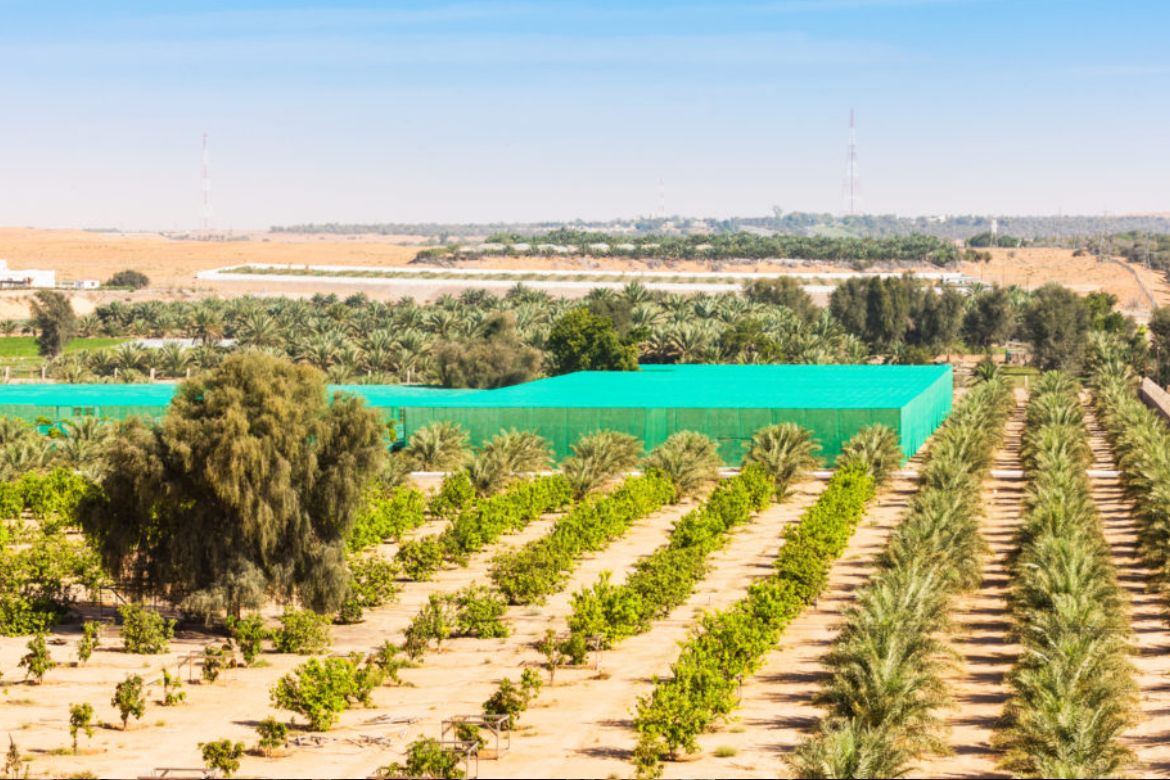
Abu Dhabi’s sovereign wealth fund ADQ is making a strategic play in the global food security game, set to acquire a 35% stake in France’s Limagrain Vegetable Seeds (LVS). The move signals a decisive shift towards research-led agriculture aimed at feeding the UAE — and potentially much of the arid world — from its own soil.
With one of the highest food import rates in the world — between 80% and 90% — the UAE is determined to cut its dependency. Under the National Food Security Strategy 2051, the target is clear: produce half of the nation’s food locally within the next three decades.
Silal + Limagrain: Building the Future of Desert Farming
The deal, pending regulatory clearance, will see Silal, ADQ’s agritech powerhouse, join forces with Limagrain Vegetable Seeds to launch a joint research and development venture dedicated to desert-adapted vegetable genetics.
The focus is straightforward yet ambitious — developing seeds that thrive in Gulf conditions:
- Temperatures that regularly top 45°C
- Soil salinity that challenges most traditional crops
- Water scarcity that demands maximum efficiency
“This is a research-intensive phase right now,” said Gil Adotevi, ADQ’s group chief investment officer. “We’re targeting the end of the year for deal closure, and expect to see results on farms within one to two years.”
Al Ain’s Innovation Hub: Where Science Meets Sand
The R&D will take place at Silal’s Innovation Oasis in Al Ain, in collaboration with Limagrain’s global experts. Steps will include:
- Gene selection and editing (not genetic modification) to enhance resilience
- Screening for traits like heat, drought, and salinity tolerance
- Controlled trials and field performance testing under UAE conditions
Once a high-performing variety is proven, Silal will work with local farmers to bring it to market. Initial crops include cucumbers, tomatoes, and melons — staples in Emirati and regional diets.
Adotevi clarifies: “We’re not creating something artificial. This is about identifying and enhancing traits that nature has already provided.”
Why This Matters for the Gulf
The UAE, like much of the Gulf, faces harsh farming realities:
- Limited arable land
- High evapotranspiration rates under extreme heat
- Saline soils
- Groundwater reserves dropping about one metre a year in some areas
Agriculture consumes 60% of the UAE’s water supply but still covers only a fraction of food needs. While vertical farming and hydroponics have gained traction, experts agree that seed innovation is the missing link to scaling sustainable, open-field farming across the region.
As Antonios Vouloudis of NYU Abu Dhabi explains:
“Varieties resilient to heat, drought and salinity are essential for food security beyond niche produce, complementing controlled-environment agriculture.”
Regional Impact & Global Ambition
The benefits go beyond the Emirates. Improved seed varieties could double yields — for example, from 100 kg to 200 kg on the same land — reducing costs and lowering prices for fresh produce.
And the market is far bigger than the UAE. ADQ sees export opportunities for desert-ready seeds across:
- GCC states facing similar climate pressures
- Africa and the Middle East
- Central Asia and Southern Europe
“The agritech systems we’re building are designed to test, scale, and export desert farming innovations to other arid regions,” says Vouloudis.
The initiative aligns with similar Gulf-led efforts such as the Sahara Forest Project in Qatar and Jordan, and Oman’s seawater greenhouse trials, proving that the region is emerging as a global hub for desert agriculture innovation.
Looking Ahead: A High-Tech Farming Future
For ADQ, this is not just about seeds — it’s about positioning the UAE as a leader in precision agriculture.
“We’re going to see a lot more technology, a lot more precision farming 20 years from now,” Adotevi notes. “This investment is part of that vision.”
From Al Ain’s greenhouses to farmlands across Africa, this Gulf-born innovation could redefine how the hottest, driest regions on Earth grow their food — and how the UAE turns its desert into a breadbasket for the future.
