

A major archaeological discovery has revealed how changes in the flow of the Nile River helped shape the rise of one of Africa’s most powerful ancient civilizations.
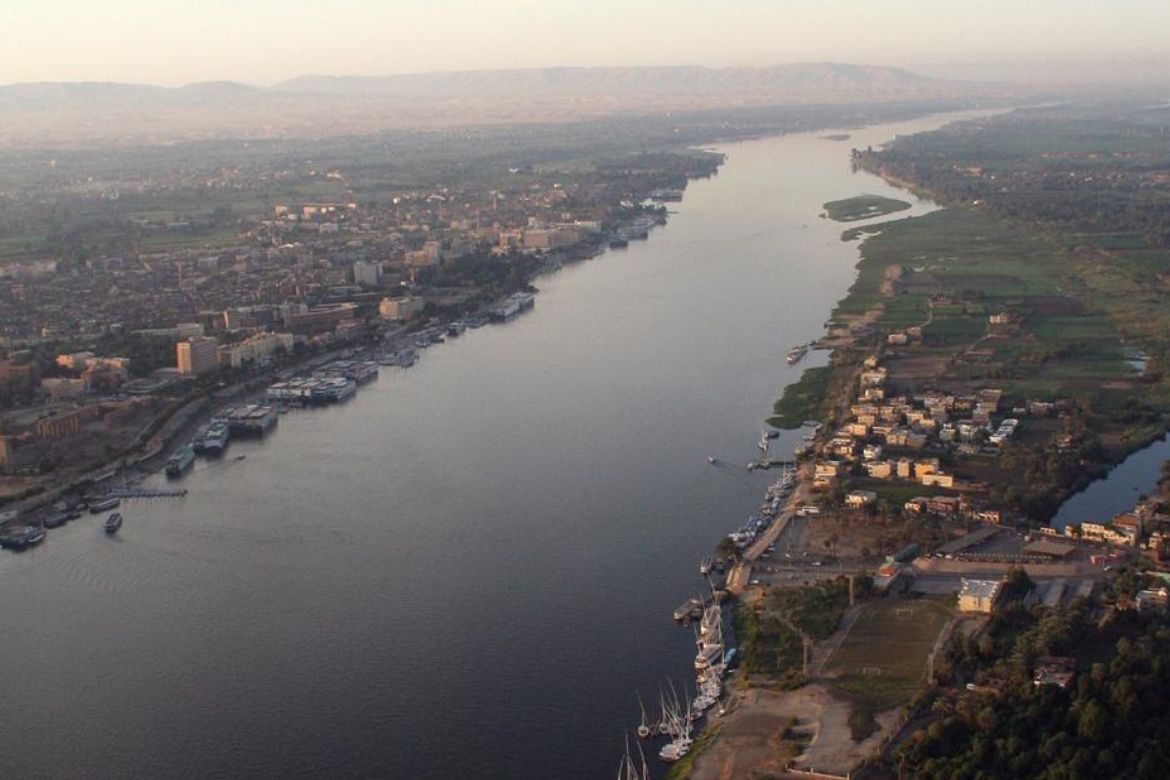
Researchers say the ancient city of Napata, located in present-day Sudan, flourished because the Nile slowed dramatically nearly 4,000 years ago — creating fertile land, stable floodplains, and ideal conditions for settlement.
The findings shed new light on how environmental transformation influenced the growth of the Kingdom of Kush, a Nubian empire that once rivalled some of the ancient world’s greatest powers.
The Nile’s Transformation Changed Everything
For thousands of years, the Nile continuously carved through the surrounding valley. But around 4,000 years ago, researchers say the landscape began to level out, reducing the river’s speed and allowing layers of fertile sediment to build up along the floodplain.
This gradual process created nearly 10 metres of rich clay and silt, turning the area around Napata into productive agricultural land capable of supporting large populations and long-term urban growth.
Experts believe this environmental stability became the foundation for the city’s economic and political success.
How the Fourth Cataract Supported Growth
Scientists also highlighted the importance of the Fourth Cataract of the Nile, a region of rocky rapids and islands that naturally slowed the river upstream of Jebel Barkal.
The slower-moving waters deposited additional sediment across the region, helping create fertile floodplains while lowering the threat of severe flooding.
Jebel Barkal later became one of the most important spiritual and political landmarks of the Kingdom of Kush.
The Rise of the Kingdom of Kush
After the decline of Ancient Egypt around 1200 BCE, the Kingdom of Kush expanded its influence across the region.
Napata emerged as a major centre of power, with Kushite rulers constructing temples, pyramids, and royal palaces around Jebel Barkal. The empire maintained connections with Egypt, the Assyrians, Greeks, Persians, and later the Roman Empire.
The Kushites were also referenced in Biblical texts and by the Greek historian Herodotus, highlighting their significance in the ancient world.
A Breakthrough Study in Sudan
The research, published in the Proceedings of the National Academy of Sciences, involved drilling 26 boreholes across the Nile valley to study ancient sediment layers.
Using optically stimulated luminescence dating, scientists were able to determine when the sand grains were last exposed to sunlight, helping reconstruct thousands of years of geological history.
Researchers say the study is particularly significant because Sudan’s archaeological and geological history has received far less global attention compared to Egypt.
Research Continues Amid Sudan’s Conflict
Despite the ongoing civil war in Sudan, researchers say archaeological work is continuing through partnerships with local experts and Sudanese communities.
The team stressed that local collaboration remains essential to preserving Sudan’s cultural heritage and deepening global understanding of ancient African civilizations.
