

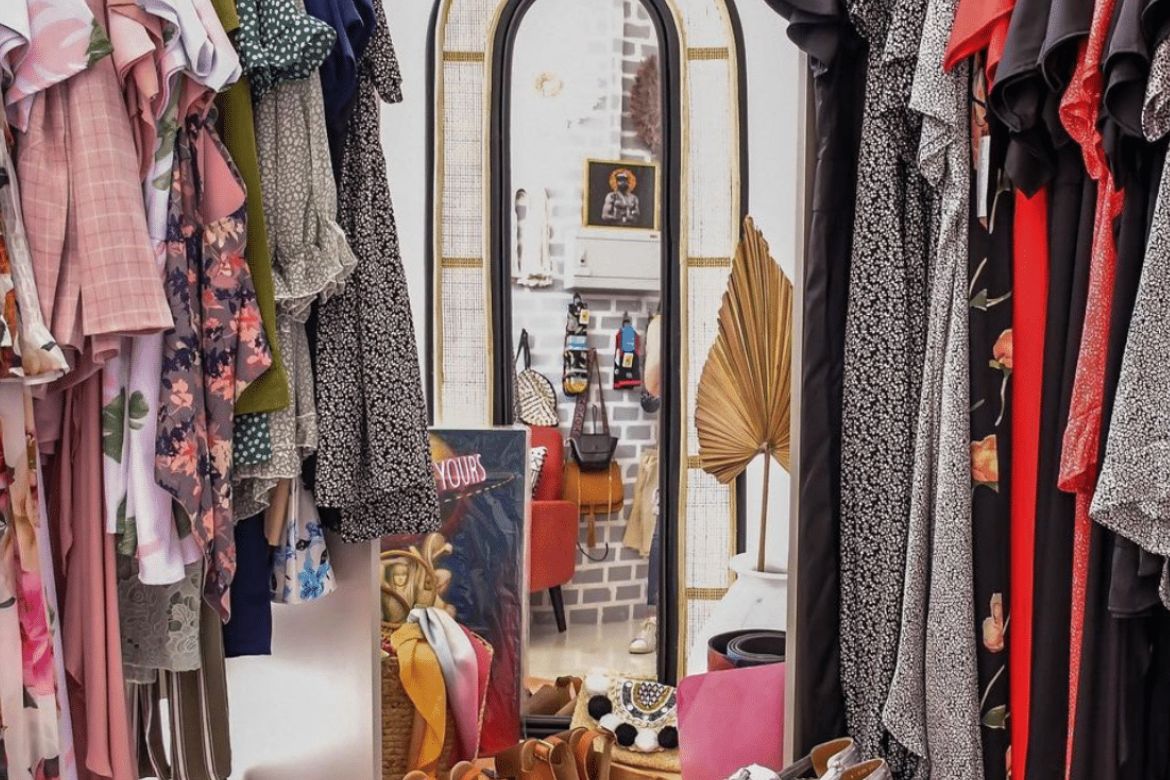
What was once considered a niche or budget-driven alternative is rapidly becoming a defining force in the UAE’s retail landscape. Preloved fashion is no longer second best—it is now a smart, stylish, and sustainable choice embraced by a new generation of consumers.
Across the Emirates, the secondhand market is expanding at pace, driven by shifting consumer values and a growing awareness of sustainability. Industry voices say this transformation marks a deeper cultural shift—from fast, disposable fashion to mindful, intentional buying.
Rachel O’Hara, founder of Showcase DXB, highlights this evolution:
“There is a growing appreciation for quality, longevity and value, rather than simply buying new.”
From Scene to Community
The rise of secondhand fashion in the UAE is no longer just a retail trend—it is becoming a vibrant community. Canadian content creator Randi Comrie, who has spent the past year documenting thrift culture in the country, says the shift is clear.
“It has become more of a community than just a scene,” she notes, pointing to the rise of pop-up markets, resale events, and social media-driven fashion exchanges.
On any given weekend in Dubai and Abu Dhabi, multiple thrift markets and resale pop-ups draw crowds of shoppers hunting for unique finds.
Dubai: A Preloved Paradise
Dubai’s fast-moving fashion ecosystem has inadvertently made it one of the most attractive markets for secondhand shopping. With high turnover rates and frequent wardrobe updates, many items enter the resale market in near-new condition.
“You can find such great stuff in Dubai—hardly worn, if at all,” says Comrie.
“Finding items with tags on is still very common.“
This creates a unique advantage for shoppers, offering premium fashion at reduced prices without sacrificing quality.
Sustainability at the Core
Environmental concerns are another key driver behind this shift. The global fashion industry contributes around 10% of carbon emissions, while textile waste continues to rise.
In the UAE alone, approximately 220,000 tonnes of textile waste are generated annually. In response, the government has launched Naseej, a national initiative aimed at promoting textile circularity and reducing waste.
Secondhand fashion directly supports these efforts by extending the lifecycle of garments and lowering the demand for new production.
Retail Growth and Digital Expansion
The boom in demand has led to rapid growth in both physical stores and online platforms. Established players like Thrift for Good have expanded their footprint, while new entrants such as Chic Resale are opening in emerging markets like Ras Al Khaimah.
Meanwhile, digital resale platforms including Taggy and Yalla BB are scaling quickly, mirroring global trends. These platforms are making pre-owned fashion more accessible, convenient, and trusted.
Luxury Resale Leads the Charge
A standout segment in this growth is luxury resale. Consumers are no longer driven solely by affordability; instead, they are seeking individuality, craftsmanship, and exclusivity.
Safiya Mehbaliyeva, founder of luxury resale platform Gemaee, explains:
“Today, it’s about individuality, sustainability and smarter consumption.”
Buyers are becoming increasingly informed, asking detailed questions about authenticity, provenance, and resale value—signalling a more sophisticated market.
Importantly, preloved luxury is now seen as an opportunity rather than a compromise, offering access to rare, discontinued, and vintage pieces.
Breaking Old Perceptions
Despite its rapid rise, the industry still faces challenges in overcoming outdated perceptions of secondhand fashion.
O’Hara notes that changing mindsets remains key, as many consumers are only beginning to understand that preloved clothing can offer “exceptional quality, uniqueness and sustainability.”
However, attitudes are shifting quickly, particularly among younger shoppers who prioritise conscious consumption.
The Road Ahead
While the UAE’s secondhand market continues to grow, opportunities remain—particularly in the vintage segment, which is still developing due to the region’s relatively young retail history.
Looking forward, industry leaders believe trust, transparency, and authenticity will define the next phase of growth.
“Trust is becoming the currency of the industry,” says Mehbaliyeva.
There is also growing optimism that the UAE could emerge as a global leader in circular fashion—both commercially and culturally.
A New Fashion Mindset
At its core, the preloved movement is about more than clothing—it represents a shift in how people think about consumption, value, and sustainability.
As Comrie puts it:
“Secondhand allows you to be creative and expressive… without feeling like you’re destroying the Earth.”
In today’s fashion landscape, the smartest choices are not always the newest ones—they are the ones that last.
