

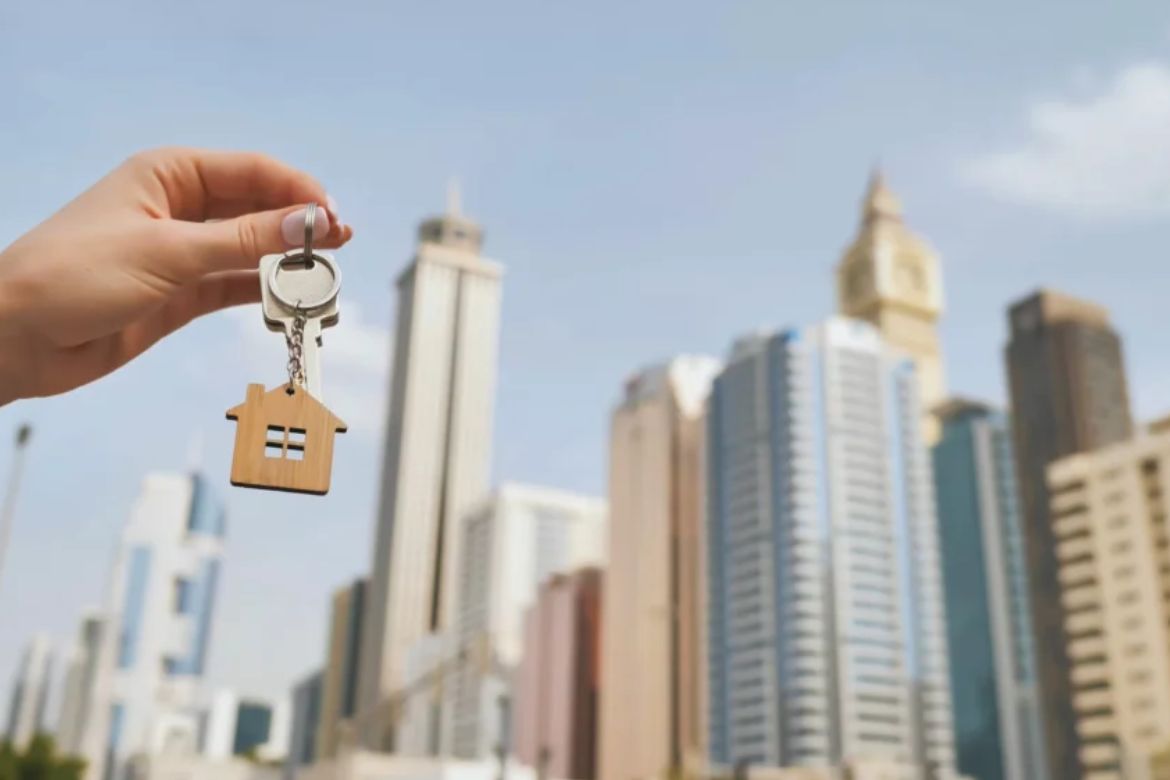
The UAE’s residential property market is heading into a new phase in 2026 — one defined less by explosive growth and more by balance and maturity. After several years of sharp price and rent increases, analysts now expect slower, more sustainable growth, largely driven by a surge in new housing supply, particularly in Dubai.
While demand remains strong across the Emirates, the scale of upcoming project completions is beginning to reshape market dynamics, signalling a clear transition from a seller-dominated cycle to a more evenly balanced environment.
Dubai: Supply Takes Centre Stage
Dubai is set to witness one of its largest waves of residential handovers in recent years, with around 120,000 new homes expected to enter the market in 2026. This influx is likely to ease pressure on prices and rents, even as population growth and economic activity remain robust.
Market data already points to a cooling trend. Price growth in Dubai has slowed notably, while rent increases have eased after peaking earlier in the cycle. Analysts suggest that as new inventory becomes available, tenants and buyers will gain greater choice and negotiating power.
The emirate’s residential market, which has delivered exceptional gains since the pandemic, is now entering a phase of moderation. Forecasts indicate mid-single-digit price growth of around 5–8 per cent in 2026, a sharp contrast to the double-digit annual increases recorded over the past two years. Rental growth is also expected to stabilise, with only modest increases in most communities.
Why Demand Remains Strong
Despite the slowdown, the fundamentals supporting the UAE property market remain firmly in place. Economic diversification, job creation and business expansion continue to attract new residents to the country.
Dubai’s population has crossed 4 million, growing at an average pace of hundreds of new residents each day. Abu Dhabi has also surpassed the 4-million mark, reinforcing long-term housing demand.
Government initiatives — including long-term residency visas, remote-work permits and expanded Golden Visa eligibility — have further strengthened the UAE’s appeal as a global destination to live, work and invest.
Adding to this momentum is the continued inflow of high-net-worth individuals, which has played a major role in supporting both luxury and prime residential segments across the country.
Five Years of Growth, Now a Natural Slowdown
Dubai is currently marking its fifth consecutive year of uninterrupted residential price growth. After prices rose sharply between 2021 and 2024, the pace has naturally begun to slow in 2025.
This moderation reflects a maturing market rather than a downturn. With prices having risen significantly over the current cycle, a slower rate of increase is widely seen as both healthy and sustainable — particularly as supply begins to catch up with demand.
Abu Dhabi: A Tighter, More Resilient Market
While Dubai cools, Abu Dhabi is expected to maintain stronger momentum through 2026. Limited new supply, combined with steady population growth and economic expansion, is keeping market conditions tight.
Residential prices and rents in the capital have recorded strong year-on-year growth, supported by solid fundamentals and comparatively attractive pricing when measured against other global cities.
With only around 6,500 new homes expected to be delivered in 2026, analysts forecast price and rental growth of 8–12 per cent in Abu Dhabi next year. Transaction volumes and deal values have already surged, reflecting continued confidence among buyers and investors.
What 2026 Means for Buyers, Renters and Investors
Buyers may find more choice and better negotiating conditions in Dubai, especially in mid-market communities.
Renters can expect slower rent increases and greater flexibility as new supply enters the market.
Investors may increasingly focus on prime locations and Abu Dhabi assets, where supply remains constrained and returns are more resilient.
From The Gulf Talk perspective, 2026 is not about market correction — it is about market recalibration. The UAE’s residential sector is evolving into a more mature, balanced and sustainable environment, underpinned by strong demand drivers and long-term economic confidence.
Dubai is easing after an extraordinary run, while Abu Dhabi continues to benefit from tight supply and steady growth. Together, they reflect a property market that is no longer overheating — but stabilising for the future.
