

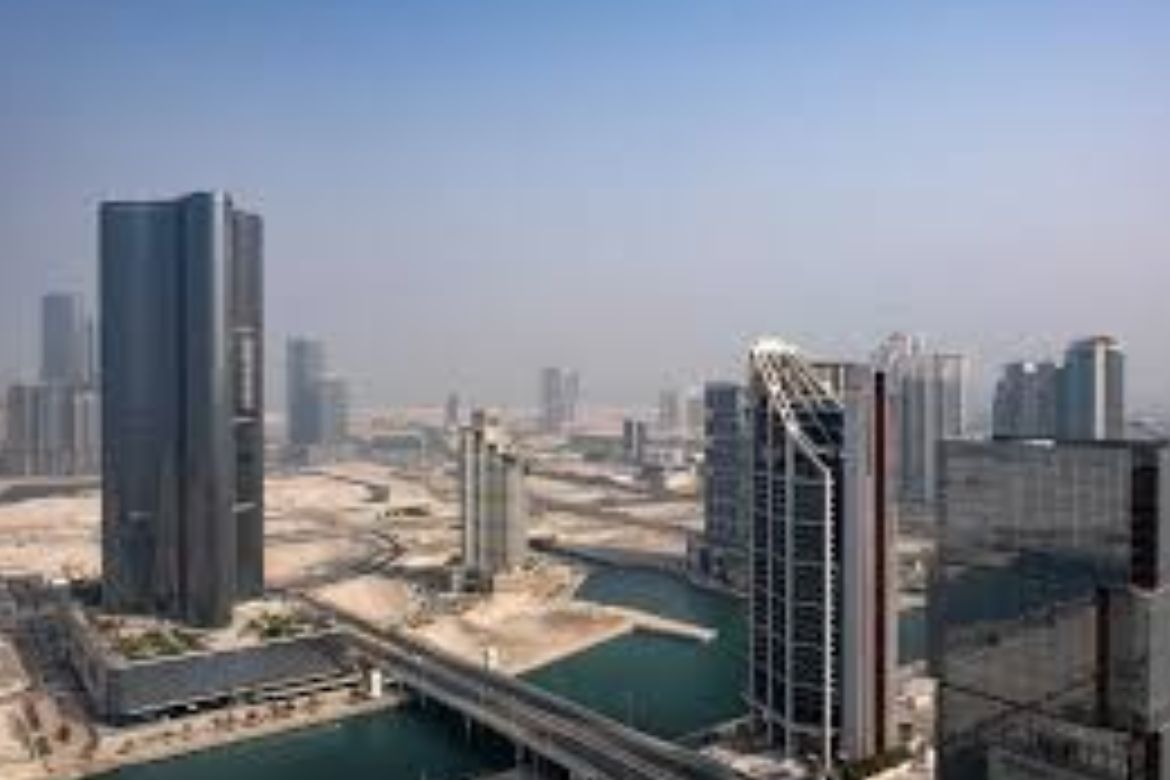
Abu Dhabi is not only managing the world’s wealth — it’s shaping the people who manage it. A new report by Global SWF’s 2025 MENA Playbook highlights that the UAE capital has evolved into both the capital of capital and the capital of human capital when it comes to sovereign wealth funds (SWFs).
According to the study, Abu Dhabi’s SWFs employ around 3,000 professionals, cementing the city’s position as a powerhouse of financial management, institutional governance, and global investment expertise.
The GCC’s Growing Financial Workforce
Across the Gulf Cooperation Council (GCC), the scale of employment within sovereign wealth funds paints a clear picture of regional transformation. These funds, managing hundreds of billions in national assets, have become some of the most sought-after employers in the Middle East.
Here’s how the employment landscape looks across the region’s SWFs:
- Saudi Arabia – 3,694 employees
- Abu Dhabi – 3,660 employees
- Dubai – 1,309 employees
- Kuwait – 1,100 employees
- Qatar – 670 employees
- Oman – 522 employees
- Bahrain – 290 employees
In total, UAE-based sovereign wealth funds employ over 5,000 professionals, including both Emirati nationals and expatriates — making the UAE one of the largest SWF employment hubs in the world.
The Capital of Capital: Managing $1.8 Trillion in Assets
Abu Dhabi continues to dominate the global sovereign investment landscape, managing $1.819 trillion in assets — a figure that firmly secures its title as the world’s capital of capital.
Out of the $14 trillion in assets managed by sovereign wealth funds globally, $1.8 trillion is held by Abu Dhabi’s leading institutions:
- Abu Dhabi Investment Authority (ADIA)
- Mubadala Investment Company
- Abu Dhabi Investment Council (ADIC)
- ADQ
- Abu Dhabi Fund for Development (ADFD)
- EDGE Group
- Emirates Investment Authority (EIA)
In the wider GCC, Riyadh ($1.071 trillion) and Kuwait ($1.011 trillion) follow Abu Dhabi as the next biggest wealth hubs — underscoring the Gulf’s collective rise as a dominant force in global finance.
11,000 Jobs — and Counting
Across the GCC, state-owned investors (SOIs) — which include sovereign wealth funds, pension funds, and central banks — now employ over 11,000 people.
These institutions have evolved beyond managing assets; they are now training grounds for elite talent. The report emphasises that GCC sovereign investors are becoming both major employers of expatriates and incubators of national expertise, combining international know-how with local empowerment.
Nationalisation Meets Diversity
The Gulf’s sovereign institutions are balancing two priorities: strengthening local participation while maintaining a global workforce.
Saudi Arabia’s Public Investment Fund (PIF) stands out as the world’s largest SWF employer — growing from just 30 employees in 2015 to nearly 3,000 today, with 82% Saudi nationals.
Meanwhile, Oman Investment Authority (OIA) leads in nationalisation with 93% of its 422 employees being Omani nationals — a remarkable figure even by regional standards.
On the diversity front, ADIA, Mubadala, and Qatar Investment Authority (QIA) are among the most multicultural investment institutions in the world, with teams representing 65, 54, and 66 nationalities respectively. Global SWF describes them as “likely the world’s three most diverse sovereign funds.”
Pension Funds: The Next Hiring Frontier
As pension funds across the Gulf expand in both size and investment capability, they are emerging as new engines of employment.
Institutions such as Kuwait’s Public Institution for Social Security (PIFSS), Saudi Arabia’s General Organisation for Social Insurance (GOSI), and Bahrain’s Social Insurance Organisation (SIO) now manage large portfolios in-house — building local expertise and expanding the financial talent pool across the region.
The Gulf’s Human Capital Revolution
The message is clear: the Gulf’s wealth is no longer measured only in assets, but in talent.
Abu Dhabi and its regional peers are investing in people — from portfolio strategists and risk managers to economists and technologists — creating a new generation of professionals equipped to drive sustainable, diversified growth.
For young Gulf nationals, this means access to world-class career paths at home. For international professionals, it signals opportunity in a market that values both experience and innovation.
The Gulf Talk Perspective
At The Gulf Talk, we see this transformation as more than just numbers. It represents a strategic shift in the region’s identity — from being exporters of capital to becoming builders of human capital and global investment expertise.
Abu Dhabi’s rise as a centre of sovereign wealth leadership demonstrates how the UAE and the wider GCC are redefining what it means to manage wealth: not only through assets, but through the people and ideas shaping the future of global finance.
