

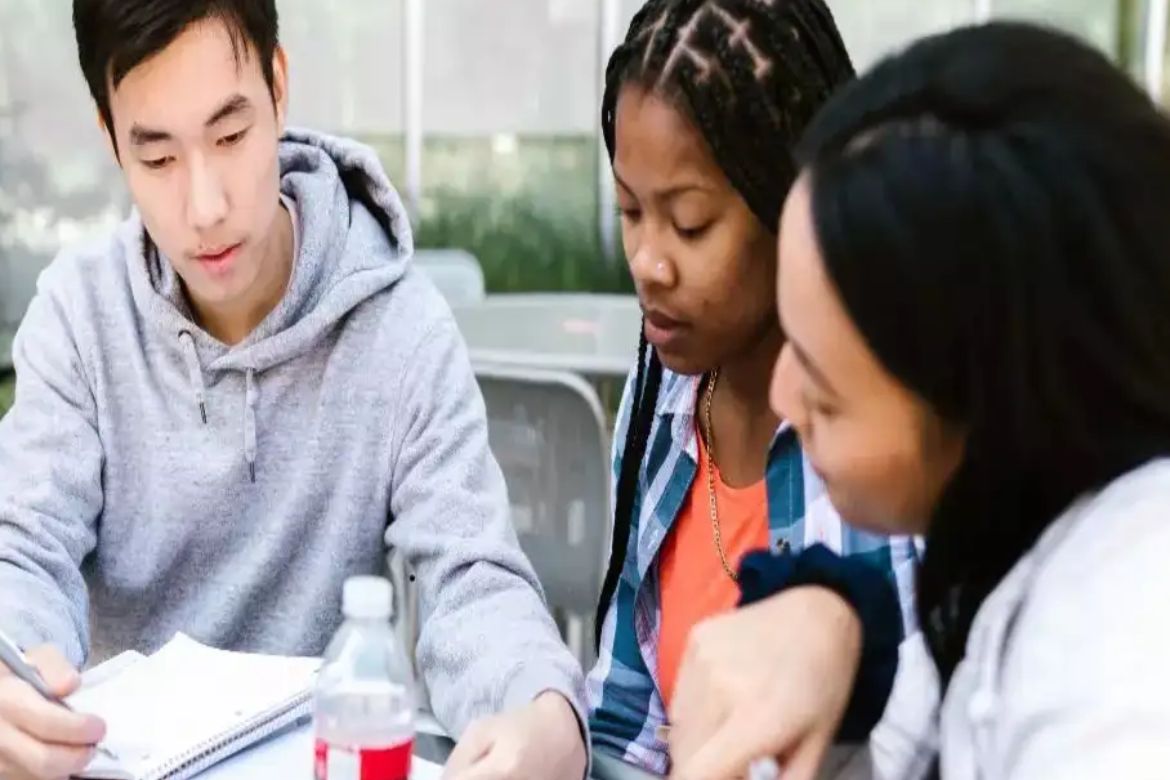
As parts of the world turn inward amid rising nationalism and tighter immigration policies, universities in the UAE are emerging as important spaces for global dialogue and cultural exchange.
New research conducted at New York University Abu Dhabi shows that students who study in highly diverse international environments are more likely to develop a strong sense of global identity, feel politically empowered, and show greater empathy toward other cultures.
The findings underline how the UAE’s multicultural academic ecosystem is shaping a generation of students who see themselves as part of a wider global community.
A Global Classroom in the UAE
At New York University Abu Dhabi, students from more than 120 countries live and study together, creating one of the most internationally diverse campuses in the world.
Many students arrive from regions spanning Central Asia, Africa, Europe, and Latin America. Around one in five are the first in their families to attend university, and most receive scholarships that cover tuition, accommodation, and living expenses.
Researchers say this diversity creates a “real-world laboratory” for intercultural learning, where daily interactions naturally expose students to different perspectives, traditions, and belief systems.
Measuring a Student’s Global Identity
The research, led by psychologist Jennifer Sheehy-Skeffington alongside academics PJ Henry and Tatiana Karabchuk, tracks how students’ attitudes evolve during their university years.
Students are surveyed at multiple stages of their degree to assess their “global identity” — the extent to which they view themselves as members of a global community rather than solely identifying with their nationality or local culture.
The study found that students’ sense of global belonging grows significantly during their time on campus.
Diversity Beyond the Classroom
One of the strongest influences on this transformation is campus life itself. At the university, roommates are randomly assigned, meaning students often share accommodation with peers from completely different backgrounds.
Researchers found that living with someone from another culture or religion helps build empathy, tolerance, and cross-cultural understanding.
For many students who initially feel more connected to their national identity than a global one, these everyday experiences can gradually broaden their worldview.
Global Mindset, Greater Political Confidence
The study also revealed a strong link between global identity and what researchers describe as “political efficacy” — the belief that individuals can influence political or social outcomes.
Students who develop a global outlook tend to feel more confident about their ability to contribute to political discussions and social change.
According to the researchers, this sense of empowerment can also reduce the appeal of extremist ideologies, as individuals who feel capable of shaping society are less likely to adopt radical viewpoints.
A Different Direction from Global Trends
The research comes at a time when international education is facing growing pressure in some countries.
Rising anti-immigration sentiment in parts of Europe and the West has led to stricter visa rules and limitations on international students. In the UK, for example, changes to immigration policies have reduced the time graduates can stay to seek employment and restricted the ability of postgraduate students to bring family members.
Such measures risk limiting the cultural diversity that has long been central to the university experience.
The UAE’s Role in Global Education
Against this backdrop, the UAE continues to position itself as a global education hub.
By welcoming students from around the world and investing in international academic partnerships, the country is reinforcing its reputation as a centre for multicultural learning and dialogue.
Researchers say institutions should view international students not simply as a source of revenue, but as vital contributors to intellectual exchange and cultural understanding.
Expanding scholarships and maintaining open international pathways could help universities worldwide preserve the collaborative spirit that defines higher education.
Shaping the Next Generation
As geopolitical tensions reshape the global landscape, the ability to understand diverse perspectives and collaborate across cultures is becoming increasingly valuable.
Universities in the UAE, particularly institutions like New York University Abu Dhabi, are playing a key role in nurturing these qualities.
By bringing together students from across the world, they are helping to develop graduates who can think globally, engage constructively with complex challenges, and contribute to a more connected future.
