

Demonstrations in Iran and the deepening humanitarian and political crisis in Gaza are set to dominate discussions at next week’s World Economic Forum (WEF) Annual Meeting in Davos, highlighting how global economic platforms are increasingly shaped by geopolitical realities.
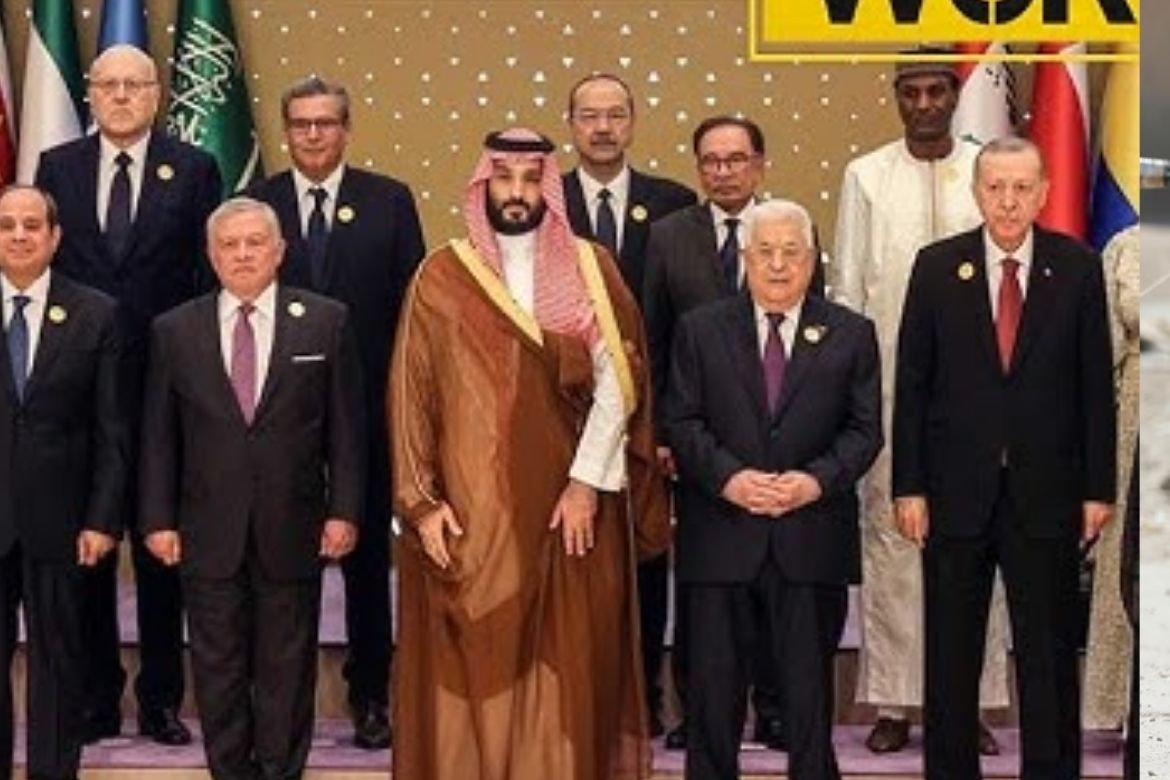
Speaking ahead of the summit, WEF President and Chief Executive Borge Brende confirmed that this year’s meeting will see significant representation from the Arab world, reflecting the region’s rising influence in global diplomacy.
Lebanese Prime Minister Nawaf Salam is expected to attend, while a Syrian delegation led by President Ahmad Al Shara will participate for the first time—marking a notable moment for Damascus on the international stage. Jordan’s Crown Prince Hussein and Qatar’s Prime Minister Sheikh Mohammed bin Abdulrahman Al Thani will also be present.
Saudi Arabia will send a high-level delegation comprising 10 ministers, alongside what Mr Brende described as a “very strong” presence from the UAE.
“Our focus is on identifying the next steps to stabilise the region and ensuring there is no further escalation,” Mr Brende said.
Held under the theme “A Spirit of Dialogue,” the Davos meeting is widely regarded as setting the global economic and political tone for the year ahead. It brings together heads of state, senior policymakers, corporate leaders, international institutions, academics and entrepreneurs.
According to WEF organisers, a record 400 political leaders—including 65 heads of state and government—will take part this year. The United States is set to bring its largest-ever delegation in the forum’s 56-year history.
US President Donald Trump is expected to attend alongside Treasury Secretary Scott Bessent, Commerce Secretary Howard Lutnick, Energy Secretary Chris Wright, Secretary of State Marco Rubio and Middle East special envoy Steve Witkoff. Mr Brende noted that Mr Witkoff is involved in negotiations related to both Ukraine and Gaza, and added that Jared Kushner, Mr Trump’s son-in-law and a key figure in earlier Middle East diplomacy, may also be present.
Mr Trump is scheduled to address the forum on January 21.
With Washington pursuing tariffs and adopting a more protectionist trade stance, global trade is expected to be a major talking point. Despite concerns, Mr Brende struck an optimistic tone.
“Trade has proven to be resilient—it’s like water, it always finds a way,” he said, while acknowledging that global commerce is increasingly becoming more customised and plurilateral. “We collaborate differently than we did in the past.”
Artificial intelligence will also feature prominently, continuing its rapid rise on the Davos agenda since the debut of OpenAI’s ChatGPT in 2022. Technology leaders including Microsoft chief executive Satya Nadella and Nvidia chief Jensen Huang are among those expected to participate.
“There is a long list of tech leaders attending,” Mr Brende said. “This creates strong opportunities to understand where frontier technologies like AI are taking us.”
