

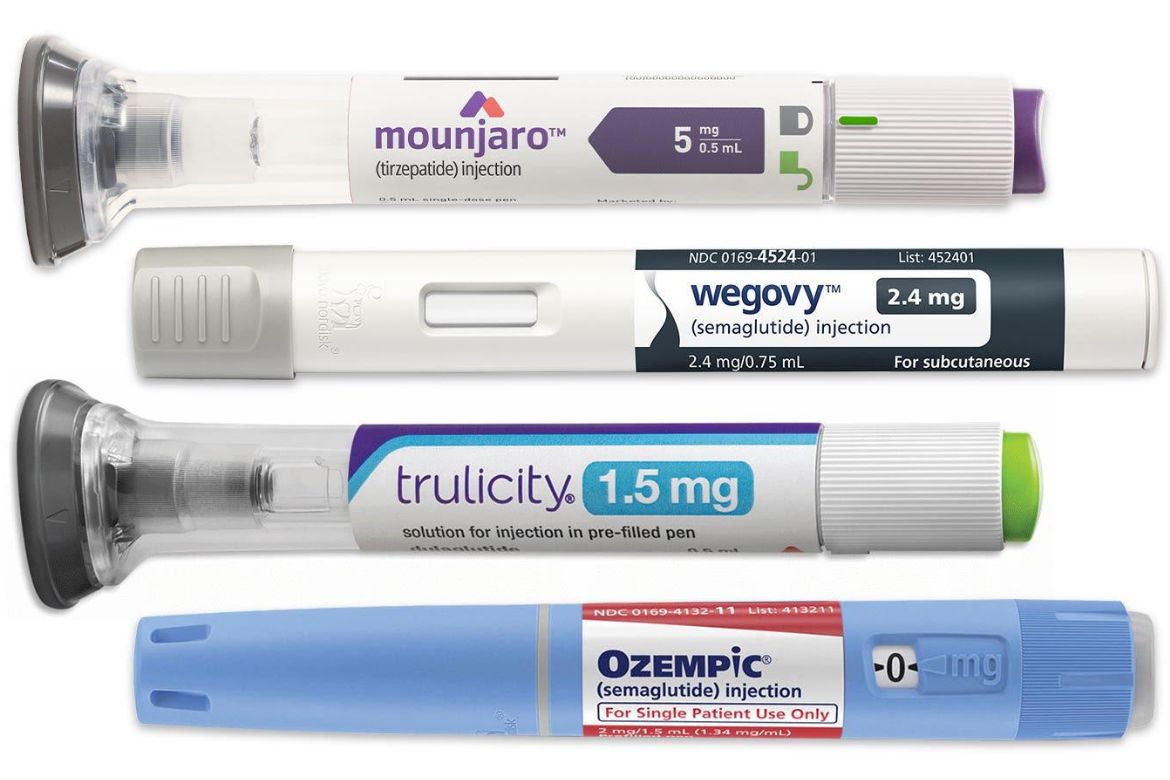
The US Food and Drug Administration (FDA) has ordered manufacturers of popular diabetes and weight-loss medications, including Ozempic, Wegovy and Mounjaro, to update their product safety information to include a warning about a potential risk of permanent vision loss.
The decision follows research suggesting a possible association between glucagon-like peptide-1 (GLP-1) receptor agonist medications and a rare eye condition known as non-arteritic anterior ischemic optic neuropathy (NAION).
The condition can cause sudden, painless vision loss in one eye and, in some cases, result in permanent blindness.
GLP-1 medications have become increasingly popular worldwide for managing type 2 diabetes and obesity, with several brands also attracting significant attention for their weight-loss benefits.
Why Has the FDA Issued the New Warning?
In a safety bulletin, the FDA said its decision was based on clinical trial data, observational studies and a 2024 research article examining a possible connection between NAION and GLP-1 medications.
The 2024 publication prompted the regulator to investigate the potential association further.
“The FDA is informing patients and health care providers of a potential increased risk of non-arteritic anterior ischemic optic neuropathy associated with use of glucagon-like peptide-1 receptor agonist (GLP-1 RA) medications,” the agency said.
The regulator described NAION as a rare condition that can cause acute, painless, decreased vision in one eye, including permanent vision loss.
Following its assessment, the FDA instructed manufacturers to add information about the potential increased risk to the warnings and precautions sections of their medication labels.
Which Weight-Loss and Diabetes Drugs Are Affected?
The updated safety requirements cover several GLP-1-based medications, including:
- Ozempic: Semaglutide, prescribed primarily for type 2 diabetes.
- Wegovy: Semaglutide, approved for chronic weight management.
- Mounjaro: Tirzepatide, prescribed for type 2 diabetes.
- Zepbound: Tirzepatide, approved for chronic weight management.
- Soliqua: A combination medication containing insulin glargine and lixisenatide, used to manage type 2 diabetes.
These medications work through hormonal pathways involved in blood sugar regulation, appetite control and digestion.
Their widespread use has made safety monitoring particularly important as more patients turn to prescription treatments for diabetes and weight management.
What Do the Clinical Trial Figures Reveal?
The FDA highlighted findings from an analysis of 126 randomised, controlled clinical trials involving multiple GLP-1 receptor agonist medications.
The analysis identified the following rates of NAION:
- GLP-1 medication users: 6.4 cases per 100,000 person-years.
- Comparison group: 3.8 cases per 100,000 person-years.
The comparison group included patients receiving a placebo or non-GLP-1 glucose-lowering medication.
Although the figures indicate a higher observed rate among GLP-1 users, the overall number of cases was small.
The findings point to a potential safety concern but do not, by themselves, establish that the medications directly cause NAION.
What Is NAION and How Can It Cause Blindness?
Non-arteritic anterior ischemic optic neuropathy is an eye condition caused by reduced blood supply to the optic nerve.
The optic nerve plays a critical role in transmitting visual information from the eye to the brain. When its blood supply is disrupted, nerve tissue can become damaged, potentially resulting in permanent vision impairment.
NAION is often associated with sudden vision changes and typically affects one eye.
Unlike many other eye conditions, it generally does not cause pain. This can make it difficult for patients to recognise the seriousness of the symptoms immediately.
People with diabetes, high blood pressure, sleep apnoea and other vascular risk factors may have an increased susceptibility to the condition.
What Symptoms Should Patients Watch For?
Patients taking GLP-1 medications should be aware of possible warning signs of NAION.
These include:
- Sudden loss or reduction of vision in one eye.
- Blurred or hazy vision.
- Dark spots or missing areas in the visual field.
- Reduced clarity or sharpness of vision.
- Difficulty seeing certain parts of an image.
Anyone experiencing sudden or unexplained vision changes should seek immediate medical attention and undergo an urgent eye examination.
Early evaluation is important because NAION can cause permanent damage to the optic nerve.
What Does the FDA Recommend to Patients and Doctors?
The FDA has advised healthcare professionals to consider whether patients developing signs of NAION should discontinue GLP-1 medication treatment.
According to the regulator, discontinuation should be considered unless the benefits of treatment clearly outweigh the potential risks.
The FDA has also highlighted that patients with a previous history of NAION may face an increased risk.
Patients should not independently stop or change their prescribed medication. They should consult their prescribing doctor and an ophthalmologist to evaluate their individual circumstances and discuss appropriate treatment options.
How Have Drug Manufacturers Responded?
Novo Nordisk, the manufacturer of Ozempic and Wegovy, has responded to concerns about the potential connection.
According to ABC News, the company said that available research does not establish that GLP-1 medications cause NAION.
The distinction is important: identifying a possible association does not necessarily demonstrate that a medication directly causes a particular medical condition.
Nevertheless, the FDA is requiring manufacturers to include the potential risk in their official product safety information so patients and healthcare professionals can make more informed treatment decisions.
What Does This Mean for People Using Weight-Loss Injections?
The FDA’s warning comes at a time when GLP-1 medications are increasingly being prescribed for diabetes and obesity management.
For many patients, these treatments offer significant health benefits, including improved blood sugar control and support for weight management.
However, the latest safety development highlights the importance of understanding potential side effects and maintaining regular medical supervision.
Patients currently using Ozempic, Wegovy, Mounjaro, Zepbound or other affected medications should discuss the updated warning with their healthcare providers, particularly if they have existing eye conditions or other risk factors.
The warning does not mean that everyone taking these medications will experience vision problems. NAION remains a rare condition, and the evidence does not conclusively establish a direct causal relationship.
The Bigger Picture
The FDA’s decision represents an important development in the ongoing monitoring of GLP-1 medications, which have transformed diabetes and obesity treatment.
As their popularity continues to grow, regulators, healthcare professionals and pharmaceutical manufacturers face the challenge of balancing treatment benefits with emerging safety concerns.
For patients, the message is clear: stay informed, understand the potential risks and seek immediate medical attention if sudden vision changes occur.
While GLP-1 medications continue to offer important treatment benefits, patient safety and informed medical decisions must remain a priority.
