

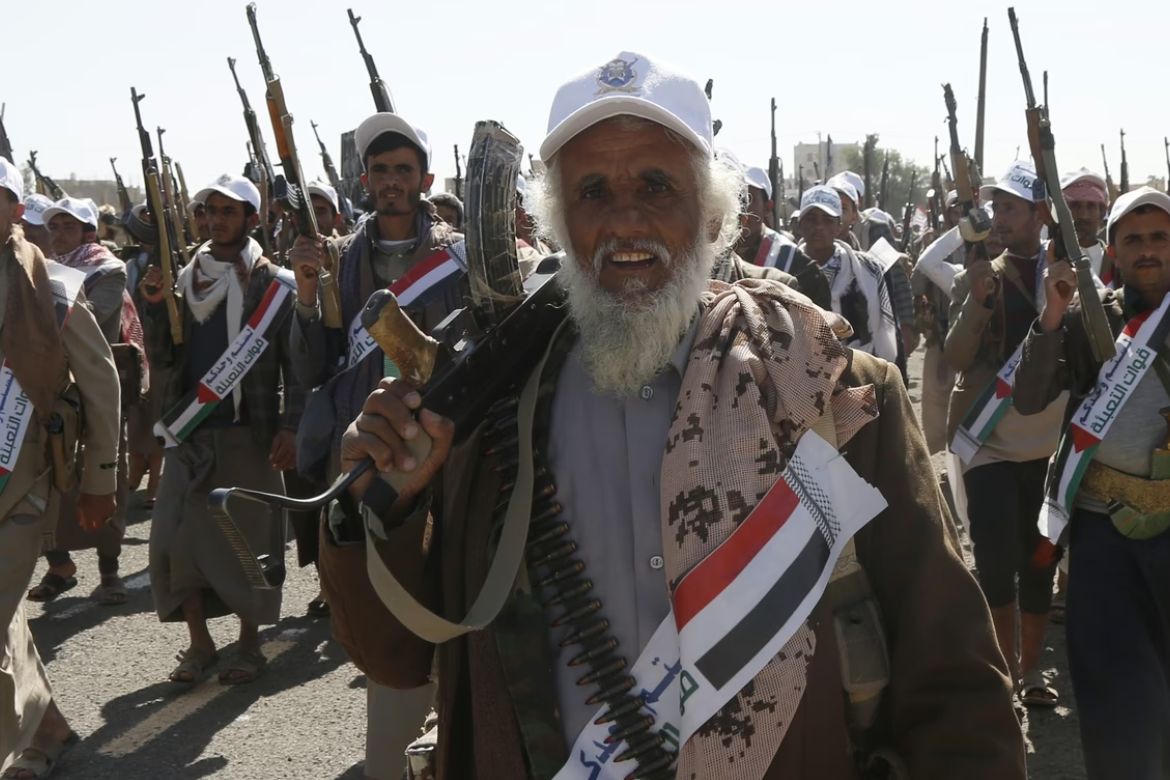
Riyadh and Aramco Under Fire as Houthi Threat Expands
The recent Houthi attacks on Riyadh’s King Khalid International Airport and Saudi Aramco facilities have underscored a stark reality: Yemen’s conflict is no longer confined within its borders. The strikes brought the war directly to Saudi Arabia’s capital and energy heartland, exposing vulnerabilities in critical infrastructure and raising concerns over regional security.
The Question Isn’t Control, It’s Capability
Iran continues to deny directing Houthi military operations, insisting that the group acts independently. Yet years of documented support, including training, military technology, intelligence assistance and strategic guidance, have helped transform the Houthis into one of the Middle East’s most capable non-state armed groups.
Whether Tehran approves every drone launch or missile strike is becoming increasingly irrelevant. What matters is that Iranian backing has enabled a force capable of threatening airports, oil facilities and vital shipping lanes across the region.
A Strategic Asset or a Growing Liability?
For Tehran, the Houthis provide strategic leverage near the Bab Al Mandeb Strait, one of the world’s most important maritime chokepoints. Their ability to disrupt trade routes and pressure regional rivals offers Iran influence beyond its borders without direct military engagement.
But influence comes with consequences. Every major Houthi attack strengthens international scrutiny of Iran’s regional strategy and raises questions about its willingness to restrain allies when tensions threaten to spiral into broader conflict.
Regional Stability Hanging in the Balance
The implications extend far beyond Saudi Arabia. Threats to aviation, energy infrastructure and maritime security risk disrupting global oil markets, commercial shipping routes and economic stability across the Gulf. Continued escalation could further entangle regional powers and deepen an already volatile geopolitical landscape.
The debate is no longer about whether the Houthis are taking direct orders from Tehran. The real question is whether Iran is prepared to accept responsibility for helping build a military force capable of threatening the region’s most important economic and strategic assets.
As attacks intensify and regional tensions rise, diplomacy may prove to be the only path capable of preventing Yemen’s war from becoming the catalyst for a much wider Middle East confrontation.
