

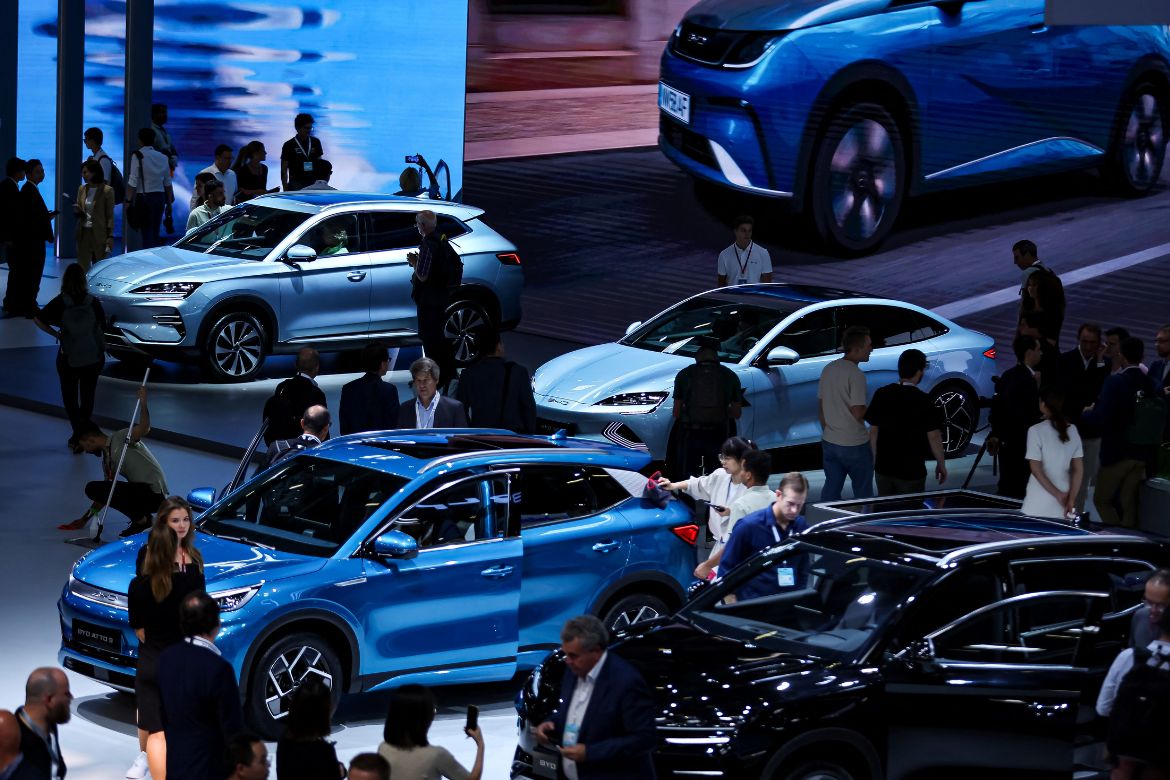
As the automotive world gears up for the Munich Motor Show 2025, the spotlight is undeniably shifting toward an electrifying force — Chinese electric vehicles (EVs). With a lineup that boasts cutting-edge technology, innovative designs, and competitive pricing, these manufacturers are not just participants; they’re transformative players redefining the expectations of the global automotive market. Amidst the gleaming cars and industry giants, Chinese EVs are poised to captivate both critics and consumers alike, merging sustainability with style in unprecedented ways.
This year’s show promises to unveil a captivating showdown, showcasing how Chinese brands are shaking up longstanding paradigms and captivating minds. From groundbreaking battery technology to futuristic aesthetic concepts, we will explore the revolutionary impact and allure of Chinese EVs in Munich, revealing why they might just be the stars of the show. Buckle up, as we delve into the electrifying innovations set to dominate the automotive landscape!
The Rise of Chinese EV Manufacturers
In recent years, Chinese electric vehicle (EV) manufacturers have been making significant strides in the global automotive industry. What began as an ambitious endeavor to reduce the country’s carbon footprint and reliance on fossil fuels has now evolved into a full-blown technological revolution. Companies such as BYD, NIO, and Xpeng have emerged as formidable contenders in the EV market, offering a range of vehicles that feature advanced technology, impressive performance, and competitive pricing. This rapid ascent can be attributed to a combination of government support, significant investments in research and development, and a focus on innovation.
China’s government has played a crucial role in fostering the growth of the EV industry through a variety of incentives and policies aimed at promoting the adoption of electric vehicles. Subsidies for both manufacturers and consumers, alongside stringent emission regulations, have created a fertile environment for EV development. Additionally, the Chinese government has invested heavily in the infrastructure needed to support electric vehicles, such as charging stations and battery recycling facilities. This proactive stance has enabled Chinese EV manufacturers to grow rapidly and gain a foothold in the global market.
Another key factor driving the rise of Chinese EV manufacturers is their commitment to innovation. These companies have been quick to adopt and develop new technologies, such as autonomous driving systems, advanced battery chemistries, and cutting-edge connectivity features. By staying at the forefront of technological advancements, Chinese EV manufacturers have been able to differentiate themselves from traditional automakers and attract a growing number of consumers. This relentless pursuit of innovation has positioned Chinese EVs as serious competitors in the global automotive market, challenging the dominance of established players.
Key Innovations from Chinese EV Brands
Chinese EV manufacturers have consistently demonstrated their ability to innovate, pushing the boundaries of what electric vehicles can offer. One of the most notable areas of innovation is battery technology. Companies like CATL and BYD have made significant advancements in battery chemistry, focusing on increasing energy density, reducing charging times, and extending the overall lifespan of batteries. For instance, BYD’s Blade Battery, known for its safety and high energy density, has set new standards in the industry. These breakthroughs in battery technology not only enhance the performance of EVs but also address consumer concerns regarding range anxiety and charging infrastructure.
Another area where Chinese EV manufacturers excel is in the integration of smart features and connectivity. Brands like NIO and Xpeng have developed sophisticated in-car systems that offer a seamless user experience, incorporating advanced driver-assistance systems (ADAS), voice recognition, and over-the-air (OTA) updates. NIO’s NOMI, an AI-powered in-car assistant, and Xpeng’s Xmart OS are prime examples of how Chinese EVs are redefining the driving experience. These smart features not only enhance convenience and safety but also position Chinese EVs as technologically advanced alternatives to traditional vehicles.
Chinese EV manufacturers are also making waves with their unique design philosophies and aesthetic concepts. Companies like Li Auto and WM Motor are known for their futuristic and sleek designs, which appeal to a younger, tech-savvy demographic. The emphasis on aesthetics extends beyond the exterior, with Chinese EVs often featuring minimalist and luxurious interiors that prioritize comfort and functionality. This focus on design, combined with cutting-edge technology, allows Chinese EVs to stand out in a crowded market and attract a diverse range of consumers.
Comparative Analysis: Chinese EVs vs. Traditional European Automakers
The emergence of Chinese EV manufacturers has created a new dynamic in the automotive industry, challenging the established dominance of traditional European automakers. Historically, European brands like BMW, Mercedes-Benz, and Volkswagen have been known for their engineering prowess, build quality, and brand prestige. However, the rise of Chinese EVs has introduced new competition, particularly in terms of technology, pricing, and adaptability to market demands. This shift is prompting a reevaluation of what consumers expect from their vehicles and how automakers can meet these evolving expectations.
One of the most significant differences between Chinese EVs and traditional European automakers lies in their approach to technology. Chinese manufacturers have been quick to adopt and integrate the latest advancements in battery technology and smart features, often outpacing their European counterparts. For example, while European brands have made strides in developing electric models, Chinese companies have focused on creating a seamless and connected driving experience. This includes integrating AI-powered assistants, advanced driver-assistance systems, and extensive OTA updates, which enhance the vehicle’s functionality and user experience over time. As a result, Chinese EVs often offer a higher level of technological sophistication at a more competitive price point.
Pricing is another area where Chinese EVs have a distinct advantage. Due to lower production costs and government subsidies, Chinese manufacturers can offer electric vehicles at more affordable prices compared to their European rivals. This affordability makes EVs more accessible to a broader range of consumers, driving higher adoption rates and expanding the market. European automakers, on the other hand, often face higher production costs and regulatory hurdles, which can result in higher prices for their electric models. This price disparity is particularly evident in emerging markets, where cost is a critical factor for consumers.
Adaptability and responsiveness to market demands also set Chinese EV manufacturers apart from traditional European automakers. Chinese companies are known for their agility and willingness to quickly iterate on their designs and technologies based on consumer feedback. This flexibility allows them to stay ahead of trends and meet the evolving needs of consumers more effectively. In contrast, European automakers, with their long-established processes and brand legacies, may be slower to adapt to rapid changes in the market. This difference in approach can influence how quickly and effectively each group can innovate and capture market share in the fast-evolving EV landscape.
Impact of Chinese EVs on Global Automotive Trends
The rise of Chinese EV manufacturers is having a profound impact on global automotive trends, influencing everything from technology adoption to market dynamics. One of the most notable effects is the acceleration of innovation within the industry. As Chinese companies continue to push the boundaries of what electric vehicles can offer, they are setting new benchmarks for performance, safety, and connectivity. This competitive pressure is prompting traditional automakers to step up their game, investing more heavily in research and development to keep pace with their Chinese counterparts. The result is a rapid evolution of automotive technology, benefiting consumers worldwide.
Chinese EVs are also driving a shift in consumer expectations regarding electric vehicles. As more consumers experience the advanced features and capabilities of Chinese EVs, they are beginning to demand similar levels of performance and technology from other manufacturers. This shift is leading to a broader acceptance of electric vehicles and a growing recognition of their potential to replace traditional internal combustion engine (ICE) vehicles. The success of Chinese EVs in various markets is helping to break down barriers and misconceptions about electric vehicles, paving the way for greater adoption on a global scale.
The influence of Chinese EV manufacturers extends beyond technology and consumer preferences to the very structure of the automotive industry. The rise of these companies is challenging the traditional dominance of established automakers, particularly in key markets such as Europe and North America. This shift is prompting a reevaluation of competitive strategies, as traditional automakers seek to defend their market share and remain relevant in the face of new competition. Partnerships, mergers, and acquisitions are becoming more common as companies look to leverage each other’s strengths and stay ahead in the rapidly changing landscape. The entrance of Chinese EVs has thus sparked a wave of transformation, reshaping the industry in ways that were previously unimaginable.
Consumer Reactions to Chinese EVs at the Show
The Munich Motor Show 2025 has provided a unique opportunity to gauge consumer reactions to the latest offerings from Chinese EV manufacturers. As attendees flock to the show, the excitement and curiosity surrounding Chinese EVs are palpable. Many consumers are drawn to the sleek designs, advanced technology, and competitive pricing that these vehicles offer. Initial reactions from show-goers indicate a high level of interest and enthusiasm, with many expressing surprise at the quality and sophistication of the Chinese EVs on display.
One of the most common themes in consumer feedback is the impressive array of technological features found in Chinese EVs. Attendees have been particularly impressed by the integration of smart systems, such as AI-powered assistants and advanced driver-assistance systems, which enhance the overall driving experience. The seamless connectivity and user-friendly interfaces of these vehicles have also garnered positive reviews, with many consumers noting that Chinese EVs offer a more intuitive and enjoyable experience compared to some traditional automakers. This focus on technology is resonating with a tech-savvy audience, who appreciate the emphasis on innovation and convenience.
Another aspect that has caught the attention of consumers is the competitive pricing of Chinese EVs. Many attendees have remarked on the affordability of these vehicles, especially when compared to similar models from established European brands. This price advantage is making Chinese EVs an attractive option for a wider range of consumers, including those who may have previously been hesitant to switch to an electric vehicle due to cost concerns. The combination of advanced features and competitive pricing is proving to be a winning formula, capturing the interest of a diverse audience at the show.
Sustainability and Environmental Considerations
Sustainability and environmental considerations are at the forefront of the conversation surrounding electric vehicles, and Chinese EV manufacturers are no exception. These companies are committed to reducing their environmental impact through various initiatives, from developing more efficient battery technologies to implementing sustainable manufacturing practices. By prioritizing sustainability, Chinese EV manufacturers are not only addressing the growing demand for eco-friendly transportation options but also positioning themselves as responsible corporate citizens in the global market.
One of the key areas where Chinese EV manufacturers are making strides in sustainability is battery technology. Companies like CATL and BYD are focused on creating batteries that are not only more efficient but also more environmentally friendly. This includes reducing the use of rare and harmful materials, such as cobalt, and increasing the recyclability of batteries at the end of their lifecycle. By developing batteries that are both high-performing and sustainable, Chinese EV manufacturers are addressing one of the most significant environmental challenges associated with electric vehicles.
In addition to advancements in battery technology, Chinese EV manufacturers are also implementing sustainable practices throughout their production processes. This includes using renewable energy sources in their factories, reducing waste and emissions, and adopting circular economy principles to minimize resource consumption. By embracing sustainability at every stage of the production process, these companies are demonstrating their commitment to creating a greener future. Consumers are increasingly aware of the environmental impact of their choices, and the efforts of Chinese EV manufacturers to prioritize sustainability are resonating with a growing number of eco-conscious buyers.
Future Predictions for Chinese EVs in the Global Market
Looking ahead, the future of Chinese EVs in the global market appears promising. As these manufacturers continue to innovate and expand their presence, they are likely to play an increasingly important role in shaping the future of the automotive industry. Several factors contribute to this optimistic outlook, including ongoing advancements in technology, growing consumer acceptance of electric vehicles, and supportive government policies.
Technological innovation will remain a driving force behind the success of Chinese EVs in the global market. With a strong focus on research and development, these manufacturers are well-positioned to continue pushing the boundaries of what electric vehicles can offer. Future advancements in battery technology, autonomous driving, and connectivity will further enhance the appeal of Chinese EVs, making them even more competitive with traditional automakers. As these technologies mature, Chinese EVs will be able to offer even greater performance, efficiency, and convenience to consumers.
Consumer acceptance of electric vehicles is also expected to grow, driven in part by the success of Chinese EV manufacturers. As more consumers experience the benefits of electric vehicles firsthand, including lower operating costs, reduced emissions, and advanced features, the demand for EVs is likely to increase. Chinese EV manufacturers, with their competitive pricing and innovative offerings, are well-positioned to capture a significant share of this growing market. Additionally, as charging infrastructure continues to improve and range anxiety diminishes, more consumers will be willing to make the switch to electric vehicles.
Supportive government policies will also play a crucial role in the future success of Chinese EVs. Governments around the world are increasingly recognizing the importance of transitioning to sustainable transportation and are implementing policies to encourage the adoption of electric vehicles. These policies include subsidies, tax incentives, and investment in charging infrastructure, all of which create a favorable environment for the growth of the EV market. Chinese EV manufacturers, with their strong domestic support and growing international presence, are well-equipped to capitalize on these opportunities and continue their upward trajectory in the global market.
Insights from Industry Experts and Analysts
Industry experts and analysts have been closely monitoring the rise of Chinese EV manufacturers and their impact on the global automotive market. Their insights provide valuable perspectives on the strengths and challenges facing these companies, as well as the broader implications for the industry. Overall, the consensus among experts is that Chinese EV manufacturers are poised for continued growth and success, thanks to their innovative approaches and strategic positioning.
One of the key strengths of Chinese EV manufacturers, according to industry experts, is their ability to innovate rapidly. Unlike some traditional automakers, which may be constrained by legacy systems and processes, Chinese companies are often more agile and willing to experiment with new technologies. This willingness to take risks and embrace change has allowed them to stay ahead of trends and deliver cutting-edge products to the market. Analysts believe that this focus on innovation will be a critical factor in the ongoing success of Chinese EVs.
However, experts also note that Chinese EV manufacturers face several challenges as they seek to expand their global presence. One of the primary hurdles is building brand recognition and trust in international markets. While Chinese EVs are gaining popularity, they still need to overcome perceptions of quality and reliability that may be associated with newer brands. To address this, Chinese manufacturers are investing in marketing efforts, establishing partnerships with established companies, and ensuring that their vehicles meet the highest standards of safety and performance. These efforts will be crucial in building consumer confidence and establishing a strong global foothold.
Analysts also highlight the importance of strategic partnerships and collaborations in the success of Chinese EV manufacturers. By working with established players in the industry, Chinese companies can leverage existing expertise, distribution networks, and brand recognition to accelerate their growth. For example, partnerships with international battery suppliers, technology firms, and automotive giants can help Chinese EV manufacturers enhance their offerings and reach new markets. These collaborations are expected to play a significant role in shaping the future of the EV industry and driving the continued success of Chinese manufacturers.
Conclusion: The Future of EVs and the Munich Motor Show
The Munich Motor Show 2025 has provided a captivating glimpse into the future of the automotive industry, with Chinese EV manufacturers taking center stage. Their impressive lineup of vehicles, featuring cutting-edge technology, innovative designs, and competitive pricing, has captured the attention of both critics and consumers alike. As Chinese EVs continue to challenge traditional automakers and redefine industry standards, it is clear that they are poised to play a significant role in shaping the future of transportation.
The rise of Chinese EV manufacturers is not only a testament to their commitment to innovation and sustainability but also a reflection of the broader shifts taking place in the automotive industry. As the world moves towards a more sustainable and connected future, electric vehicles are set to become the norm rather than the exception. Chinese manufacturers, with their focus on advanced technology and affordability, are well-positioned to lead this transition and drive the widespread adoption of electric vehicles.
Looking ahead, the future of Chinese EVs in the global market appears bright. With continued advancements in technology, growing consumer acceptance, and supportive government policies, these manufacturers are poised for ongoing success. As they expand their presence and build brand recognition in international markets, Chinese EVs will continue to challenge traditional automakers and push the boundaries of what electric vehicles can offer. The Munich Motor Show 2025 has highlighted the transformative potential of Chinese EVs, setting the stage for an electrifying future in the automotive industry.
