

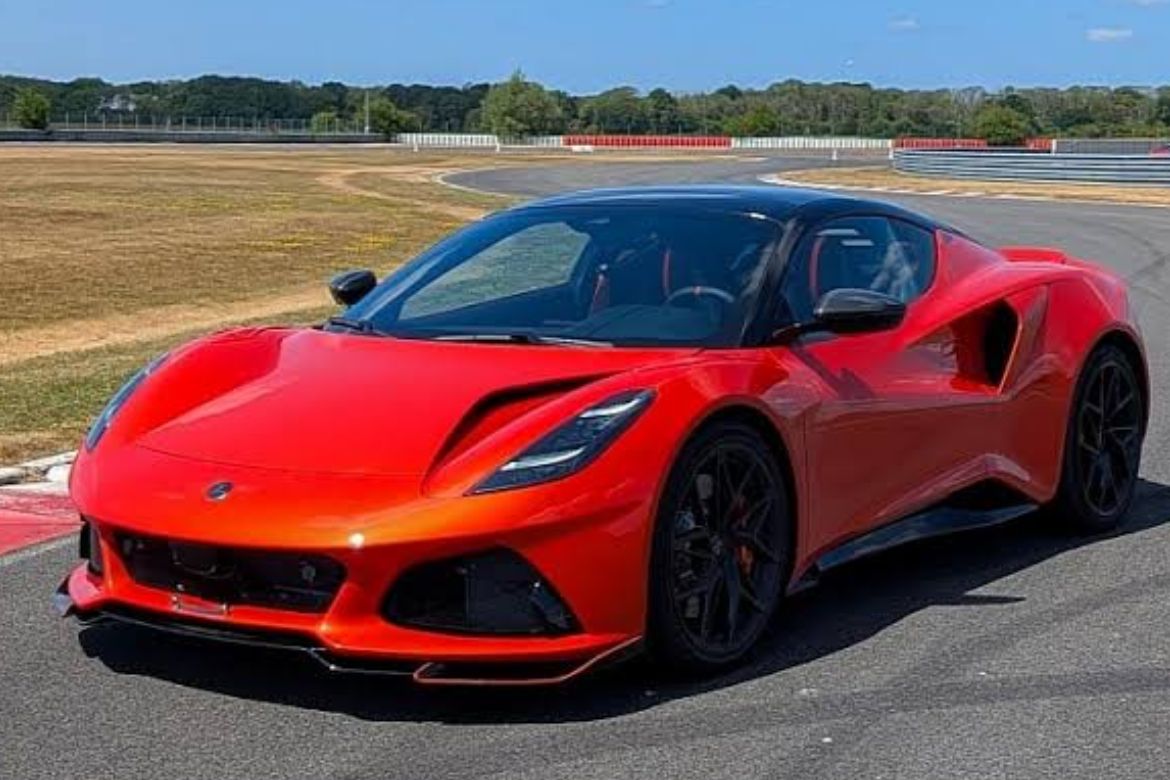
A Different Kind of Dream Car
For a generation that grew up in Britain during the 1990s, Lotus occupied a unique space in automotive culture. Ferrari and Lamborghini were glamorous fantasy machines, reserved for bedroom posters and daydreams. Lotus, however, felt different. It was exotic yet attainable, a sports car brand built on ingenuity rather than extravagance.
There was something distinctly British about Lotus. Like TVR and Caterham, its cars often seemed designed by engineers who cared more about steering feel and chassis balance than luxury features or convenience. The philosophy was simple: lightweight construction, driver engagement and uncompromising performance.
From Bond Icon to Motorsport Legend
Lotus was never short of glamour. The brand entered popular culture in spectacular fashion when Roger Moore’s James Bond drove a white Lotus Esprit that transformed into a submarine in The Spy Who Loved Me. The Esprit would go on to feature in other films, becoming a symbol of intelligent, understated cool.
Behind the Hollywood appearances was serious racing pedigree. Founder Colin Chapman revolutionised motorsport with his obsession for lightweight engineering, helping Team Lotus secure 13 Formula One drivers’ and constructors’ championships. His famous mantra, “Simplify, then add lightness,” became the foundation of the company’s identity.
The Elise Era and the Lotus Formula
Few vehicles captured the spirit of Lotus better than the Elise.
Launched in 1996, the compact sports car was essentially a road-legal go-kart. It was small, impractical and sometimes uncomfortable, yet it delivered one of the purest driving experiences available. Rather than relying on massive horsepower figures, the Elise embraced lightweight engineering and flawless handling.
For decades, that formula defined Lotus.
Then everything changed.
The Geely Transformation
When Chinese automotive giant Geely acquired control of Lotus in 2017, the company embarked on an ambitious transformation.
The goal was to evolve Lotus from a niche sports-car manufacturer into a global luxury performance brand. The change gave rise to products that previous generations of Lotus enthusiasts might never have imagined.
The Eletre arrived as a high-performance electric SUV. The Emeya followed as a luxury electric grand tourer. The Evija hypercar pushed boundaries with nearly 2,000 horsepower.
And then came the Emira.
The Petrol-Powered Farewell That Refused to Leave
When Lotus unveiled the Emira in 2021, it described the model as its final combustion-engine production car. It was intended to close one chapter before the company fully embraced electrification.
Five years later, that future looks far more nuanced.
Rather than becoming a farewell, the Emira has emerged as one of Lotus’s most important modern vehicles. It serves as a bridge between the company’s heritage and its ambitions for the future.
Supercar Looks Without the Supercar Price
Visually, the Emira is among the most attractive cars Lotus has ever built.
With dramatic air intakes, sculpted bodywork and proportions inspired by the multimillion-dollar Evija hypercar, it delivers genuine supercar presence. Parked on the street, it commands attention far beyond its price point.
There is something delightfully mischievous about a car that looks capable of competing with exotic Italian machinery while carrying a significantly lower price tag.
Still a True Lotus at Heart
The biggest achievement of the Emira lies beneath its striking exterior.
The entry-level Emira Turbo is powered by a 2.0-litre turbocharged four-cylinder engine sourced from Mercedes-AMG, producing 360hp. While modern rivals may boast bigger numbers, the Emira proves that performance is about much more than horsepower.
Its hydraulic steering remains wonderfully communicative, while the chassis delivers the balance and precision that have defined Lotus vehicles for generations.
At a time when many modern performance cars insulate drivers with layers of technology, the Emira keeps them connected to the road.
That connection remains one of the rarest and most valuable qualities in today’s automotive landscape.
A Brand Rediscovers Its Identity
Perhaps the most significant aspect of the Emira story is what it has revealed about Lotus itself.
The company’s original ambition of becoming an exclusively electric manufacturer has softened. While electrification remains central to its future plans, Lotus increasingly recognises the importance of preserving the characteristics that made enthusiasts fall in love with the brand.
As a result, the Emira remains in production, and future strategies now include hybrid technology alongside fully electric vehicles.
It is a recognition that heritage cannot simply be switched off.
More Than a Farewell
The Emira was designed to mark the end of an era.
Instead, it has become a reminder of what Lotus does best. Lightweight engineering, driver involvement and a willingness to prioritise emotion over convention remain powerful selling points, even in an age defined by electrification and digitalisation.
In searching for its future, Lotus appears to have rediscovered its past.
And that may prove to be the smartest move the British sports car maker has made in decades.
