

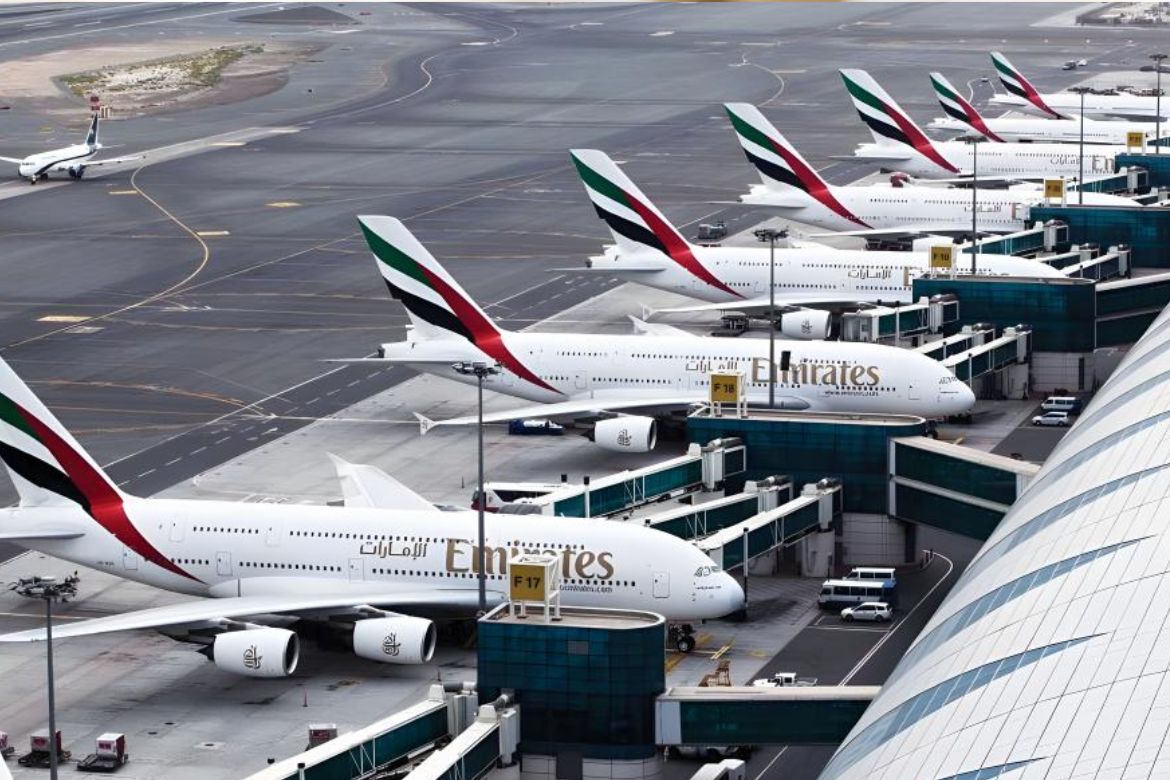
International air travel across the Middle East continues to face disruption as geopolitical tensions linked to the Iran war and ongoing airspace restrictions force major airlines to reconsider their operations.
From extended flight suspensions to delayed route resumptions and reduced services, airlines are making significant adjustments to their Middle East schedules, affecting passengers travelling to and from key destinations including Dubai, Abu Dhabi, Riyadh, Doha and Tel Aviv.
Several carriers have extended cancellations into 2027, while others are gradually restoring selected routes under revised operating arrangements.
Here is a breakdown of the latest developments.
Major Airlines Extend Middle East Flight Suspensions
KLM: Dubai, Riyadh and Dammam Services Suspended
KLM continues to avoid the airspace of Iran, Iraq and Israel, as well as parts of the Arabian Gulf. The airline has resumed services to Tel Aviv using an overnight crew stop in Larnaca, Cyprus.
- Riyadh and Dammam: Suspended until 27 November 2026.
- Dubai: Suspended until 27 March 2027.
Affected passengers can explore rebooking or refund options under applicable ticket conditions.
Singapore Airlines: Dubai Suspension Extended to February 2027
Singapore Airlines has extended the suspension of its Singapore–Dubai services until 28 February 2027, postponing the previously planned resumption.
The airline has warned that additional flights could be affected depending on regional developments. Eligible passengers can request alternative travel arrangements or refunds for unused tickets.
Scoot: Singapore–Jeddah Flights Suspended
Scoot, the low-cost subsidiary of Singapore Airlines, has suspended flights between Singapore and Jeddah until 2 December 2026.
Passengers can request a refund or rebook on alternative Scoot services.
Air France: Dubai and Riyadh Routes Remain Affected
Air France has resumed regular services to Tel Aviv and Beirut but continues to suspend selected Middle East routes.
- Dubai: Until 7 November 2026.
- Riyadh: Until 12 December 2026.
The airline is contacting affected passengers individually.
Lufthansa Group: Dubai Suspension Continues
Lufthansa has resumed flights to Tel Aviv, while Dubai services remain suspended until 25 November 2026.
The suspension also affects services operated by Swiss and Eurowings.
ITA Airways: Flights to Dubai and Riyadh Suspended
Italy’s national carrier has suspended:
- Riyadh flights until 18 November 2026.
- Dubai flights until 30 November 2026.
Passengers can request alternative flights or refunds.
AirBaltic: Dubai Flights Cancelled for Winter Season
AirBaltic has suspended its Riga–Dubai services throughout the 2026–2027 winter season, citing regional security concerns and potential operational restrictions.
Affected passengers will be offered alternative travel arrangements, refunds or connections through partner airlines.
Wizz Air: Abu Dhabi and Dubai Routes Cancelled for Winter
Wizz Air has postponed the planned restart of its Abu Dhabi and Dubai services, cancelling flights to both destinations for the winter season.
The airline cited extended airspace restrictions, longer flight routes and increased operating costs as reasons for the decision.
Services to and from Amman are also affected by aviation safety guidance concerning Jordanian airspace.
Air Canada: Dubai and Tel Aviv Suspensions Extended
Air Canada has extended its suspension of flights to Dubai and Tel Aviv until the end of March 2027.
Passengers are advised to contact the airline directly for rebooking and refund arrangements.
Cathay Pacific: Dubai and Riyadh Services Suspended
Cathay Pacific has extended the suspension of its Dubai and Riyadh flights until 31 January 2027.
Affected travellers can explore rebooking, rerouting or refund options.
British Airways: Gradual Restoration of Middle East Routes
British Airways is gradually restoring selected Middle East services while maintaining suspensions on other routes.
Its revised schedule includes:
- Dubai: Resumption scheduled for 3 November 2026.
- Riyadh: Resumption scheduled for 3 November 2026.
- Amman: Resumption scheduled for 4 November 2026.
- Doha: Services resumed on 1 September at reduced frequency.
- Tel Aviv: Services resumed on 25 October.
- Abu Dhabi: Resumption planned for winter 2027–2028.
- Bahrain: Suspension extended until the end of March 2027.
American Airlines: Flexible Booking Options Extended
American Airlines has extended its travel advisory for Tel Aviv, covering eligible travel through March 2027.
The airline has also maintained flexible booking arrangements for passengers travelling to and from Doha, with specific rebooking deadlines and ticket conditions.
Eligible passengers may also cancel their journeys and request refunds.
Delta Air Lines: Tel Aviv Services Adjusted
Delta has extended the suspension of its Atlanta–Tel Aviv flights until 18 December 2026.
The planned Boston–Tel Aviv service has been delayed indefinitely, while its New York-JFK–Tel Aviv route resumed on 6 September.
Virgin Atlantic: Dubai Suspension Extended Until October 2027
Virgin Atlantic has extended the suspension of its Dubai services until October 2027.
Passengers looking to travel earlier can explore Dubai holiday packages through Virgin Atlantic Holidays, with flights operated by Emirates.
Finnair: Dubai and Doha Suspensions Continue
Finnair has extended the suspension of flights to Dubai and Doha until 27 March 2027.
The airline cited continuing instability in the region and the absence of clear signs of improvement in the security situation.
Korean Air: Dubai Route Suspended Until Further Notice
Korean Air continues to suspend its regular Incheon–Dubai service, with no confirmed restart date.
The airline will review the situation before deciding when to resume operations, considering airspace capacity, Dubai Airport operations and passenger demand.
What This Means for Travellers in the Middle East
The ongoing changes are creating uncertainty for passengers travelling within the region and for international travellers using Middle Eastern airports as transit hubs.
Dubai, Abu Dhabi, Doha and Riyadh are important international aviation gateways. Disruptions to these routes can affect connecting journeys, business travel, tourism and family visits.
Passengers may face:
- Flight cancellations and last-minute schedule changes.
- Longer journeys due to alternative flight routes.
- Disrupted connecting flights and transit arrangements.
- Limited availability on alternative services.
- Additional accommodation and travel expenses.
What Passengers Should Do Before Travelling
Travellers are advised to take the following precautions:
- Check flight status directly through the airline’s official website.
- Confirm connecting flights and transit arrangements.
- Review cancellation, refund and rebooking policies.
- Keep airline booking references and contact details accessible.
- Do not travel to the airport without confirming flight operations.
- Follow official airline announcements and relevant travel advisories.
The continuing flight adjustments highlight the wider impact of geopolitical tensions on international aviation across the Middle East.
While some airlines are gradually restoring services, others are extending suspensions well into 2027. The differing approaches reflect the challenges of operating in an environment where airspace restrictions, safety assessments and operational costs continue to influence airline decisions.
For passengers, flexibility and access to reliable travel information remain essential.
