

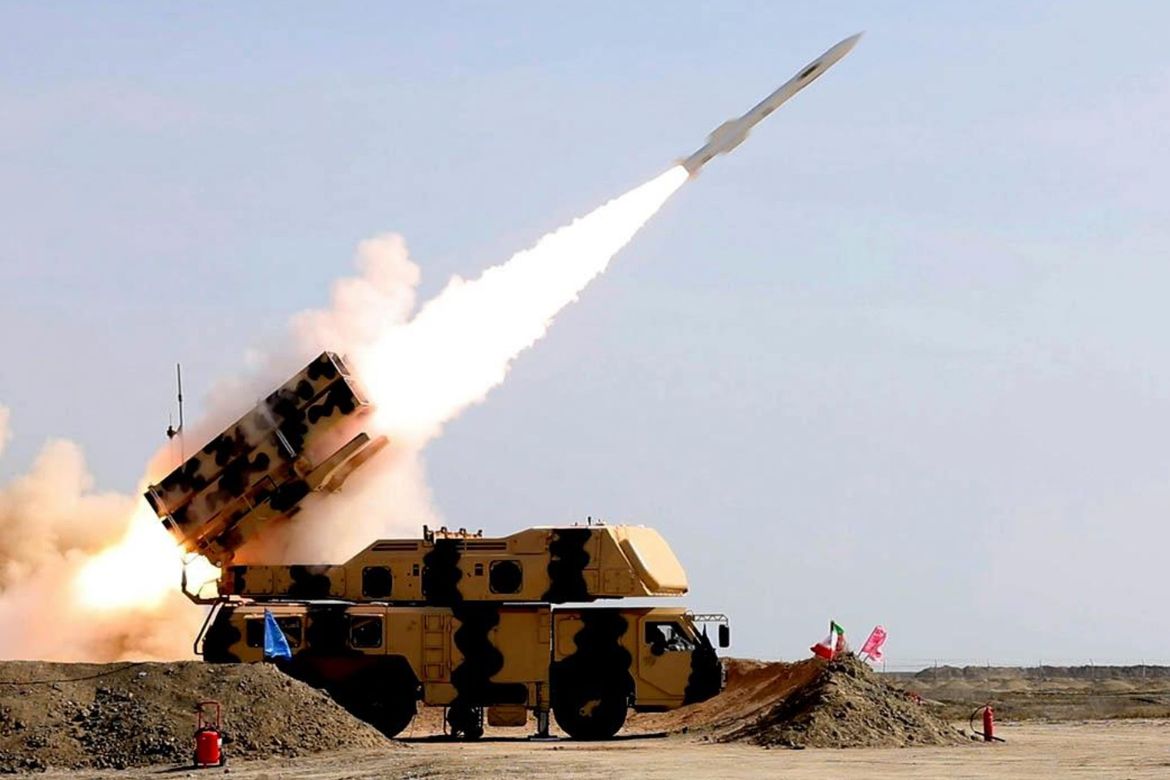
Kuwait’s air defence systems successfully intercepted a fresh wave of Iranian missiles and drones on Thursday, as the Iran war spilled further across the Gulf and heightened fears of a broader regional conflict. Kuwaiti military officials described the attack as a “heinous Iranian aggression”, confirming that multiple hostile projectiles were neutralised before reaching their targets.
The latest escalation comes amid growing instability across the region, with Iran reporting 18 deaths and 108 injuries from overnight strikes, while Gulf nations strengthen security measures around critical infrastructure and shipping routes.
Kuwait Condemns ‘Repeated Iranian Aggression’
In a statement, Kuwait’s General Staff said explosions heard across the country were the result of air defence systems intercepting incoming threats. The Foreign Ministry later condemned what it called repeated Iranian attacks on Kuwaiti territory, describing them as a blatant violation of sovereignty and a dangerous threat to regional security.
Kuwaiti authorities also reaffirmed their right to take all necessary measures to protect national security as tensions continue to rise across the Gulf.
Iran Reports Casualties as Conflict Intensifies
Iranian officials claimed that 18 people were killed and 108 wounded in US strikes carried out overnight. State media also announced funeral ceremonies for victims reportedly killed during attacks in southern Iran, although US Central Command rejected allegations that civilians were intentionally targeted.
The exchange of attacks signals a dangerous new phase in the confrontation between Washington and Tehran, with military activity expanding beyond traditional flashpoints.
Sheikh Mohamed and Trump Discuss Regional Crisis
Against the backdrop of escalating hostilities, UAE President Sheikh Mohamed bin Zayed and US President Donald Trump held a phone call to discuss developments in the Middle East.
According to state news agency Wam, both leaders reviewed bilateral co-operation and exchanged views on efforts to address the rapidly evolving regional situation.
UAE Condemns Attack on Saudi Tanker
The UAE has strongly condemned Iran’s attack on the Saudi-flagged supertanker Sidr in the Strait of Hormuz, which reportedly killed two crew members.
Abu Dhabi described the strike as a serious threat to international maritime navigation and global energy security. The Foreign Ministry expressed full solidarity with Saudi Arabia and warned that targeting commercial shipping lanes risks destabilising global trade and energy markets.
Hormuz Traffic Plunges Amid Security Fears
The conflict is already affecting one of the world’s most important maritime corridors.
According to shipping data, only six commodity vessels passed through the Strait of Hormuz on Wednesday, compared with a recent average of around 13 vessels per day. The decline underscores growing concerns among ship operators navigating an increasingly militarised waterway.
The Strait of Hormuz remains a vital artery for global oil and gas exports, making any disruption a major concern for energy-importing nations worldwide.
Trump Suggests ‘Trump Strait’
Adding a political twist to the crisis, President Trump suggested renaming the Strait of Hormuz after himself.
Posting on Truth Social, he asked whether the strategic waterway should become the “Trump Strait”, days after claiming the US had effectively taken control of the area. The remark quickly drew international attention amid the already tense situation.
Region on Edge
With missile interceptions over Kuwait, attacks on commercial shipping, mounting casualties and increasing military deployments, the Gulf is witnessing one of its most volatile periods in recent years.
The United Nations has called for immediate restraint, warning that continued escalation between Iran and the United States could have devastating consequences for civilians, regional stability and global energy supplies.
As diplomatic efforts continue behind the scenes, the coming days could prove critical in determining whether the region moves towards de-escalation or a wider conflict.
